
Can You Acid Stain Polished Concrete?
Posted On July 25, 2025
The Truth About Acid Stains and Polished Concrete
If you’ve been dreaming of adding rich, earthy tones to your polished concrete floor, you’re probably wondering: Can you acid stain polished concrete? It seems like the perfect combo—stain it for color, polish it for shine. But here’s the catch: those two finishes don’t play nice together—at least not in the way most people hope.
In this guide, we’re diving deep into the chemistry, the techniques, and the practical alternatives to acid staining polished concrete. If you’re in the Gulf Coast area, One Awesome Concrete has you covered with expert advice and smart solutions for stunning decorative floors.
What Is Polished Concrete Anyway?
Before we talk stains, let’s get clear on what polished concrete actually is—and why it behaves differently from raw concrete.
How Concrete Polishing Works
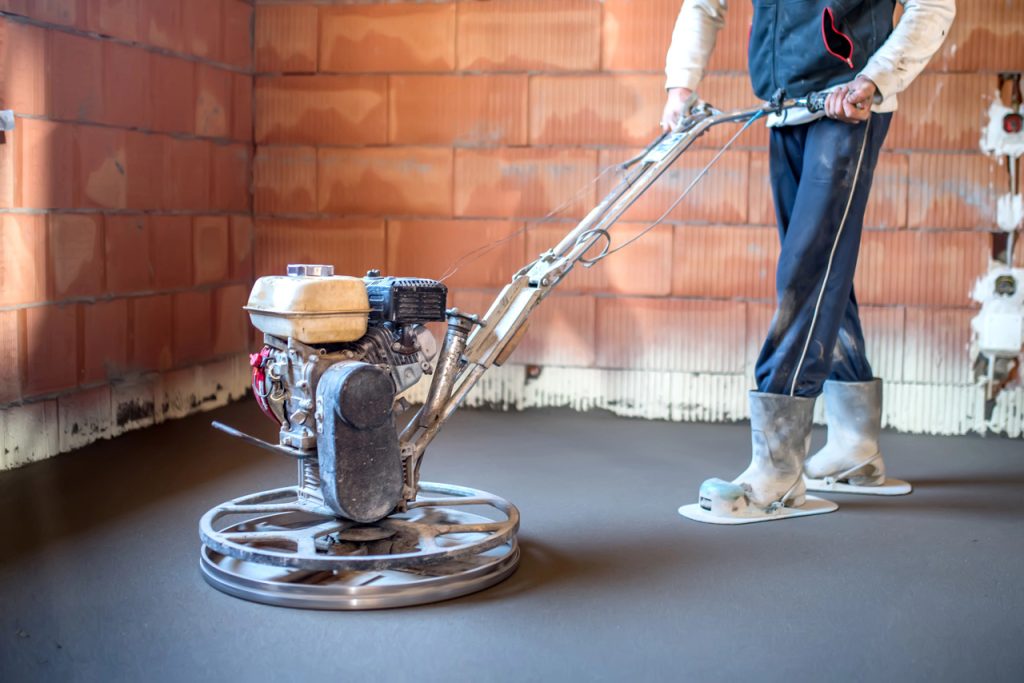
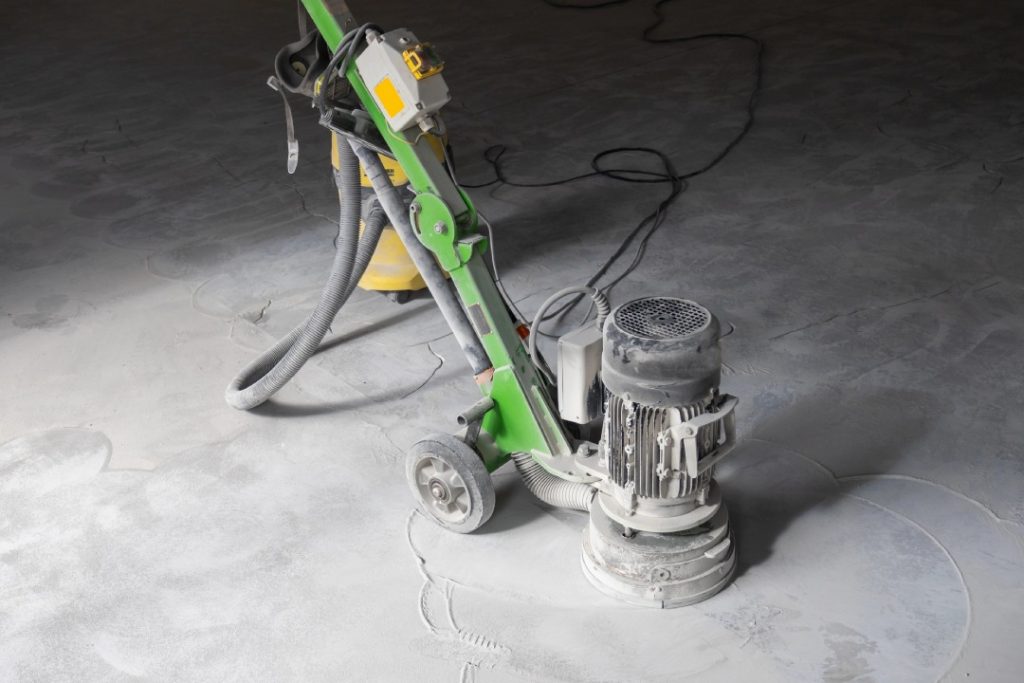
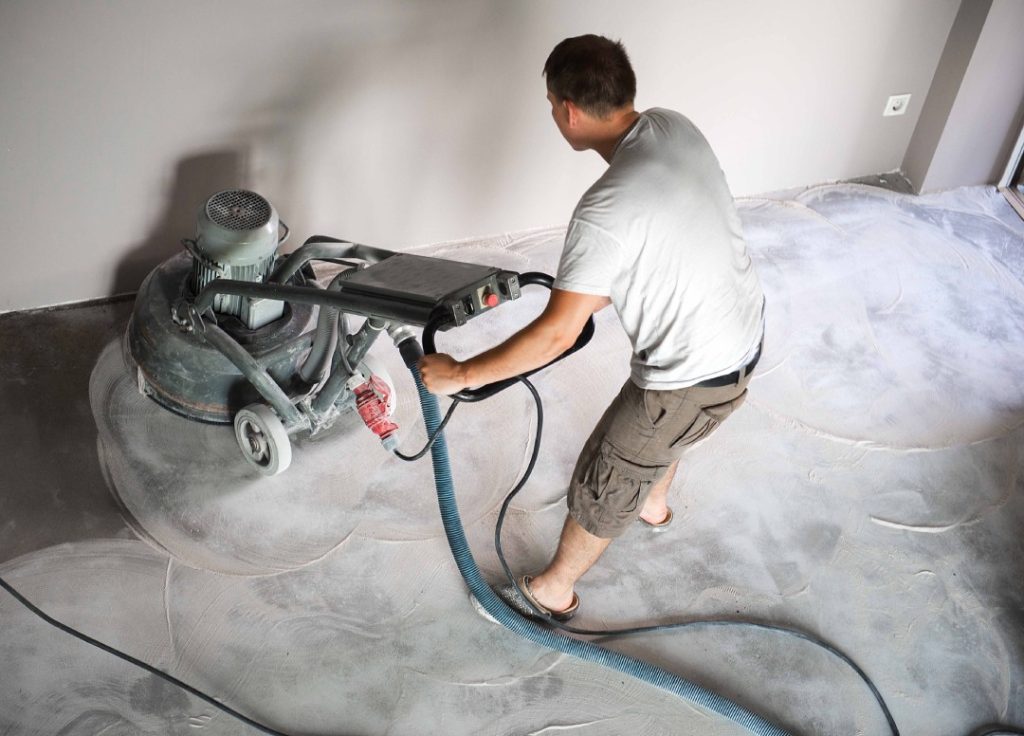
Concrete polishing is a mechanical process that uses progressively finer diamond-grit tools to grind and smooth the surface of a concrete slab. This isn’t just a simple wax job—by the end of the process, your floor is dense, glossy, and sealed off.
Polishing usually includes:
- Grinding down the surface to expose aggregate or smooth the paste.
- Applying a densifier (a chemical hardener) to make the floor tougher.
- Polishing with higher-grit pads until it shines like glass.
Benefits of Polished Concrete
Why do people love it? A few reasons:
- Low maintenance
- Super durable
- Gorgeous, reflective finish
- Great for both homes and commercial spaces
But here’s the downside: all that sealing and hardening makes it hard for acid stains to do their thing.
What Is Acid Staining?
Now, let’s talk about acid staining—and why it’s such a popular choice for concrete floors.
How Acid Stains Work Chemically
Acid stains are reactive. They work by penetrating the surface and chemically reacting with the lime (calcium hydroxide) in concrete. The acid opens pores, and the metallic salts in the stain bond with the concrete, creating varied, natural-looking color effects.
But here’s the deal: they need access to raw, porous concrete. If the pores are closed or filled—like they are in polished concrete—the stain can’t get in.
Why People Love Acid Stains
Acid stains give floors that old-world charm—think Tuscan villas, mottled earth tones, marbled color movement. They’re long-lasting and completely unique on every surface.
Can You Really Acid Stain Polished Concrete?
Here’s the short answer: not really. Let’s explain why.
Why It Usually Doesn’t Work
Once a concrete floor is polished, the surface is:
- Densified
- Sealed
- Smoothed
That means there are no open pores for the acid to seep into and react. The result? Uneven color, poor bonding, and disappointing results.
What Happens When You Try?
If you apply acid stain to polished concrete, one of three things usually happens:
- Nothing. The stain just sits on the surface.
- Blotching. You get patchy, weak color that doesn’t last.
- Delamination. The stain flakes or washes off.
Basically, it’s a waste of time and money unless you’re working with unpolished concrete.
What Makes Polished Concrete Resistant to Stains in Gulf Coast?
Let’s dig into the science of why polished floors don’t absorb stains well.
Densifiers and Sealers Explained
During the polishing process, densifiers (usually lithium- or sodium-based silicates) are applied to harden the concrete. They chemically react with lime to fill in pores, making the surface dense and tight.
Then comes burnishing and sealing, which further reduce porosity.
Surface Burnishing and Its Role
High-speed burnishing melts sealers into the surface and closes off even micro-pores. You’re left with a surface that repels liquid and chemical penetration—which is great for maintenance but terrible for stains that need absorption.
Alternatives to Acid Staining Polished Concrete
If the acid stain is out, what can you do instead?
Water-Based Stains
Unlike acid stains, water-based stains are non-reactive and sit on the surface. They offer:
- Consistent color
- Safer handling (no fumes)
- More color options
Just make sure the polished surface is properly prepped to accept them.
Dye Options for Polished Concrete
Concrete dyes are often the go-to solution. They:
- Penetrate micro-pores without chemical reactions
- Work well with densified surfaces (if applied early enough)
- Offer vibrant, modern colors
One Awesome Concrete frequently uses solvent- or water-based dyes during the grinding and polishing process for better integration.
Engraving and Scoring
Want texture or design along with color? You can:
- Score the surface with a saw
- Apply dyes or stains in patterns
- Create logos, borders, or faux tile looks
This works better than trying to force color onto a sealed surface.
When Should You Acid Stain—Before or After Polishing?
If you must use acid stain, timing is everything.
Best Practices and Order of Operations
To make it work:
- Start with raw concrete.
- Apply your acid stain and let it fully cure.
- Then begin polishing, stopping at a medium sheen (too much polishing can remove the stain).
This combo can be tricky and requires expert touch—something One Awesome Concrete is proud to offer when appropriate.
Tips for Getting Color on Polished Concrete
You still have options! Here’s how to get great color without sacrificing that shine.
Surface Prep Is Everything
Even with dyes and water-based stains, the surface needs to be clean and properly profiled. That might mean:
- Light grinding
- Chemical cleaning
- Removal of existing sealers or coatings
Choosing the Right Stain or Dye
Work with a pro to choose a compatible stain or dye for your polish level. Dyes work better for high-gloss; water-based stains are great for satin or matte finishes.
Can You Remove the Polish to Acid Stain the Surface?
Technically? Yes. Practically? Not always worth it.
Grinding It Back to Raw Concrete
You can grind down polished concrete until the raw surface is exposed again. Then, you’re free to acid stain. But this takes:
- Specialized equipment
- Time
- Cost
Is It Worth the Effort?
Unless you’re doing a full design overhaul, removing polish just to stain isn’t usually worth it. There are easier, cheaper, and more effective ways to get color into the floor.
One Awesome Concrete’s Professional Recommendation
Here’s our expert take after years of working with clients across Gulf Coast.
Our Approach to Color and Polish
At One Awesome Concrete, we plan the color and polish process together. That way, you get the finish you want without surprises. For most polished floors, we recommend:
- Concrete dyes for bold or subtle colors
- Water-based stains for decorative effects
- Engraving + dye combos for custom patterns
Why We Prioritize Surface Compatibility
Trying to make acid stain work on polished concrete often leads to callbacks and disappointment. Instead, we use methods that bond properly, last longer, and give you the look you want.
Common Myths About Acid Stains and Polish
Let’s bust a few myths we hear all the time.
Myth #1: Acid Stains Work on Anything
Nope. They only react with raw, lime-rich concrete that’s open and porous. Polished concrete doesn’t offer that.
Myth #2: Polished Concrete Needs No Prep
Every surface needs some kind of prep, especially if you’re applying color. Even polished floors may need light abrasion or deep cleaning before dyes or stains.
One Awesome Concrete Serving the Gulf Coast Community and Beyond in Houston
One Awesome Concrete is dedicated to serving the diverse needs of the local community of Houston, including individuals residing in neighborhoods like Gulf Coast. With its convenient location near landmarks such as the Houston Community College – Southwest College and major intersections like Missouri City Dr. & Scanlin Rd. (coordinates: 29.605348055878242, -95.52748132044677), we offer polished cement services Houston.
Get Polished Cement Services at Gulf Coast Now
Contact Us
(832) 368-9257
Navigate from Gulf Coast to One Awesome Concrete Now
Planning for Color and Shine Together
Can you acid stain polished concrete? Technically no—and practically, it’s not a good idea.
But that doesn’t mean you’re out of options. One Awesome Concrete offers a range of modern, effective alternatives that can give your floors beautiful color and stunning shine—without the chemistry fight. If you’re planning a project and want it done right, let’s talk. Your floor deserves to look as awesome as it sounds.
FAQs
Q1: Can you acid stain sealed concrete?
Nope! Sealers block the acid from penetrating. You’d need to strip the sealer first, and even then, results are hit-or-miss.
Q2: Is there any acid stain that works on polished concrete?
Not really. Acid stains require a porous surface. Dyes or water-based stains are better suited for polished floors.
Q3: Can I polish after I acid stain my floor?
Yes, but polish too aggressively and you’ll grind off the stain. It takes a careful balance.
Q4: What’s the best way to add color to polished concrete?
Use concrete dyes during the polishing process. They’re designed to penetrate densified surfaces and stay vibrant.
Q5: How do I tell if my floor is too polished for staining?
Try dripping water on it. If it beads up, it’s sealed or polished. If it soaks in, staining may be possible.


RELIABLE, TRUSTWORTHY, and AFFORDABLE PROFESSIONAL SERVICES
or Call us now at
(832) 368 – 9257
Recent Blogs
Can Refinished Cement Flooring Withstand Heavy Foot Traffic
When it comes to choosing flooring that lasts, one common question from property owners, business managers, and homeowners is whether refinished cement flooring can handle heavy foot traffic. With increasing popularity in both commercial and residential settings, cement floors are no longer seen as just utilitarian surfaces, they are stylish, durable, and highly customizable. But…How to Easily Repair Damaged Finished Concrete Flooring
Finished concrete flooring is known for its durability, clean appearance, and low maintenance. Whether you have polished concrete, stained concrete, sealed concrete, or epoxy-coated concrete floors, the surface can still experience damage over time. Cracks, chips, surface scratches, spalling, and discoloration are common issues in both residential and commercial spaces. This guide explains how to…How Contractors Ensure Smooth Polished Cement Finishes
Polished cement flooring is widely used in commercial buildings, retail stores, warehouses, healthcare facilities, restaurants, and modern residential properties. Property owners choose polished cement because it offers durability, low maintenance, high light reflectivity, and long service life. However, achieving a smooth polished cement finish requires more than running a grinder over a concrete slab. It…




EXPERT CONSULTATION, SWIFT QUOTATIONS
Ready to bring your concrete vision to life? Reach out to One Awesome Concrete Polishing & Staining today for expert consultations and fast, accurate quotations. Our team of professionals is dedicated to providing personalized guidance and precise estimates, ensuring that your project is executed to perfection. Whether you’re looking to enhance your home, renovate a commercial space, or overhaul an industrial facility, we have the experience and tools to handle projects of all sizes. Contact us today, and let’s work together to transform your space with the beauty and durability of cement polishing company Houston. Experience top-tier service and exceptional results with One Awesome Concrete Polishing & Staining.


