
Can You Epoxy Over Polished Concrete?
Posted On July 24, 2025
You’ve got a sleek polished concrete floor and you’re thinking… can I take it up a notch with epoxy? It’s a common question that comes up when homeowners or business owners want the durability of concrete with the vibrant finish of epoxy. Well, here’s the truth bomb: it’s not always a match made in flooring heaven—but it can be, if done right. Let’s break it down, step-by-step, so you don’t end up with a peeling mess.
Understanding the Basics
Before diving in, we need to understand what we’re dealing with.
What Is Epoxy Flooring?
Epoxy flooring is a resin-based coating made by mixing epoxy resin and a hardener. Once applied, it creates a durable, glossy (or matte, depending on your taste) surface that’s resistant to chemicals, wear, and stains. You’ve seen it in garages, showrooms, and even restaurants.
What Is Polished Concrete?
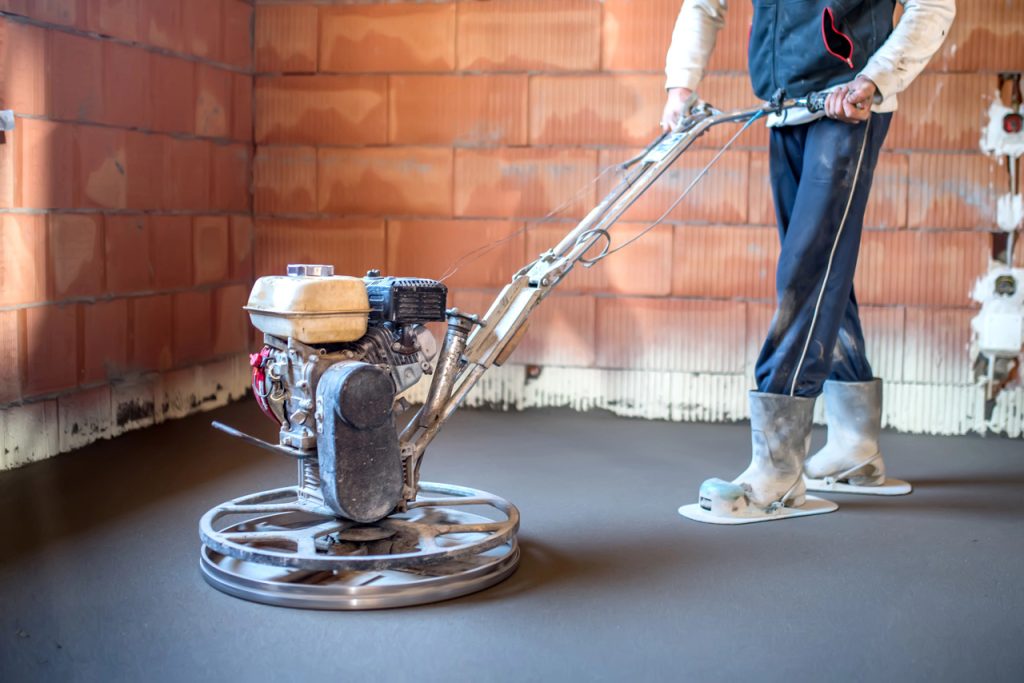
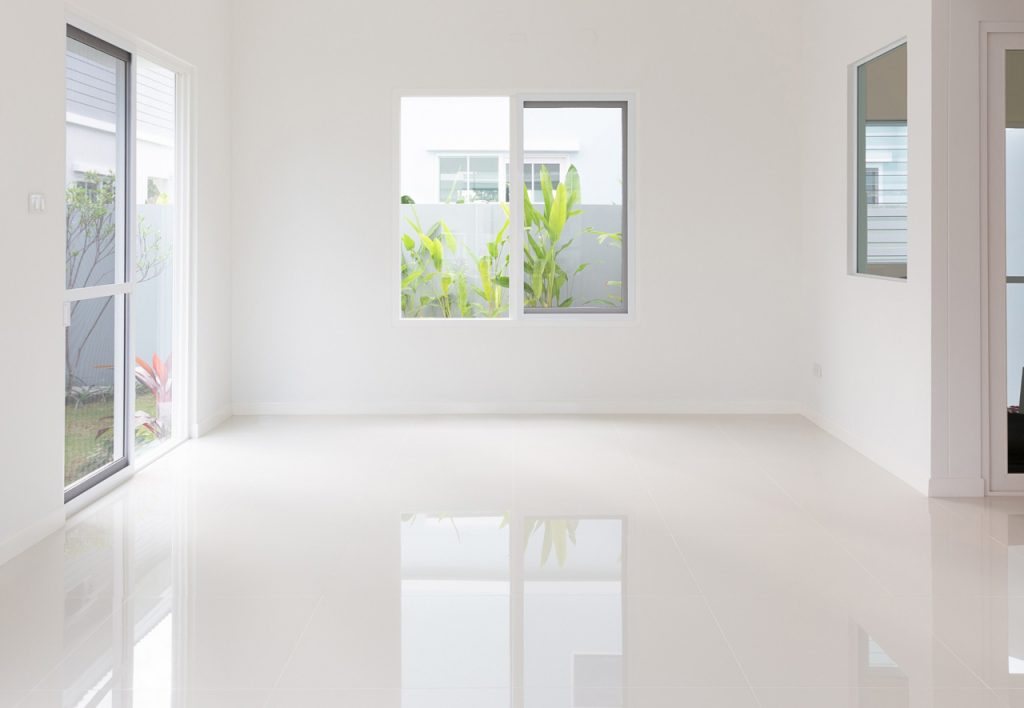
Polished concrete, on the other hand, is concrete that’s been mechanically ground and polished using fine abrasives and densifiers to create a smooth, shiny surface. Think of it as the marble of concrete finishes. It’s low-maintenance, modern-looking, and very long-lasting.
The Big Question: Can You Really Epoxy Over Polished Concrete?
Here’s the quick answer: Yes—but only if the surface is properly prepared.
Epoxy coatings need mechanical adhesion, which means the surface must be slightly rough or porous to allow the resin to anchor in. Polished concrete is intentionally made smooth, using grinding and densifiers to close the pores and create a glossy finish. That makes it resistant to absorption, which is great for durability but bad news for epoxy bonding.
So while it’s technically possible to apply epoxy over polished concrete, it won’t work unless you remove that polished layer first. Many people skip this step and end up with peeling or flaking floors after just a few months. Think of it like trying to paint over a waxed car—it might stick for a while, but it’s not going to last.
And here’s another wrinkle: the more polished your floor is—especially anything above a 400-grit finish—the more difficult it is to get epoxy to stick without professional intervention.
Bottom line? It’s doable, but it’s not a weekend DIY project. You’ll need industrial tools and expert surface prep.
Why It’s Not Always a Simple “Yes”
Surface Bonding Issues
Polished concrete is like Teflon to epoxy. It’s dense, non-porous, and extremely smooth. Epoxy needs something to “bite” into—tiny scratches, pores, and surface roughness that help it grip. Without that profile, epoxy just sits on top like a film. It may look fine at first, but over time, it will crack, peel, or delaminate due to lack of adhesion.
Also, don’t underestimate how strong polished concrete can be. The more finely it’s polished, the more sealed it becomes. It’s essentially repelling everything—including epoxy. That’s why the industry standard is to mechanically grind the floor back to at least a CSP (Concrete Surface Profile) of 2 or 3, depending on the epoxy system you’re using.
Another problem? Most homeowners or novice contractors might think a simple scuff sanding will work. It won’t. You need aggressive, industrial grinding with the right grit level to truly create a suitable surface.
Chemical Resistance of Polished Concrete
When concrete is polished, it’s typically treated with a lithium or sodium silicate densifier. This densifier reacts with the calcium hydroxide in the concrete to form calcium silicate hydrate—basically filling in the pores and hardening the surface. Great for strength. Terrible for bonding.
These densified surfaces are not only smoother but also chemically resistant, which prevents epoxy from penetrating and bonding at the molecular level. That means no true mechanical or chemical adhesion—just a temporary cosmetic overlay.
And if the polished surface has been sealed with a guard or wax? You’re looking at an even higher level of resistance. In these cases, epoxy might fail even faster because it’s sitting on top of layers designed to keep things out.
To summarize: unless you fully remove that polished layer and any chemical guards or sealants, you’re asking epoxy to do something it physically and chemically cannot do—bond to a surface that actively resists bonding.
Key Considerations Before You Start
Surface Profile and Mechanical Prep
You’ll need to reopen the pores of the concrete, and that means breaking out the big tools.
Diamond Grinding vs. Shot Blasting
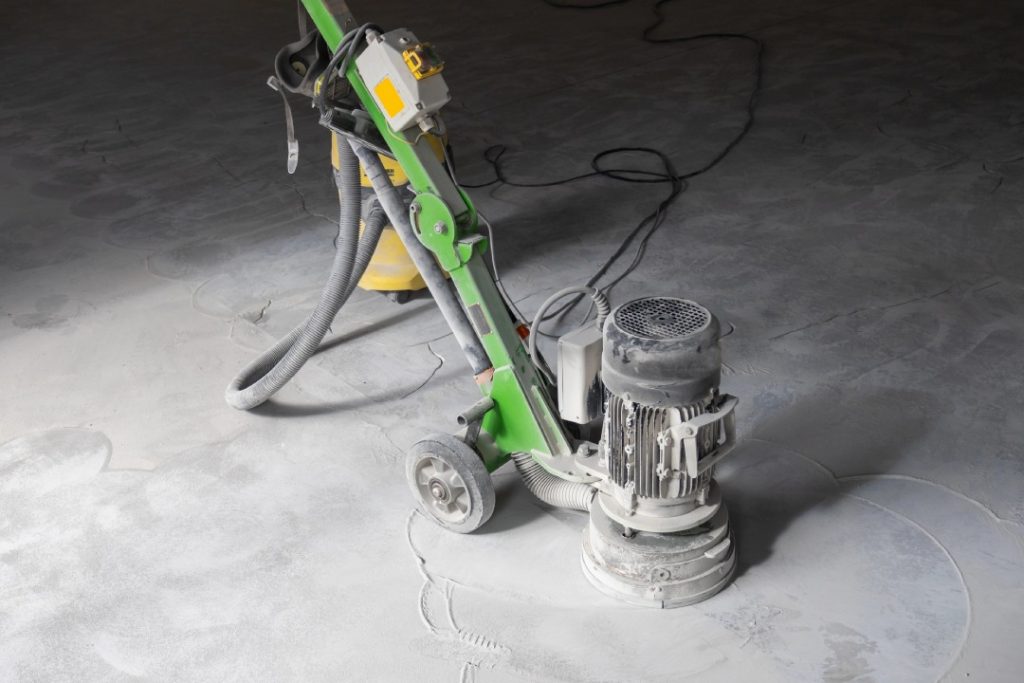
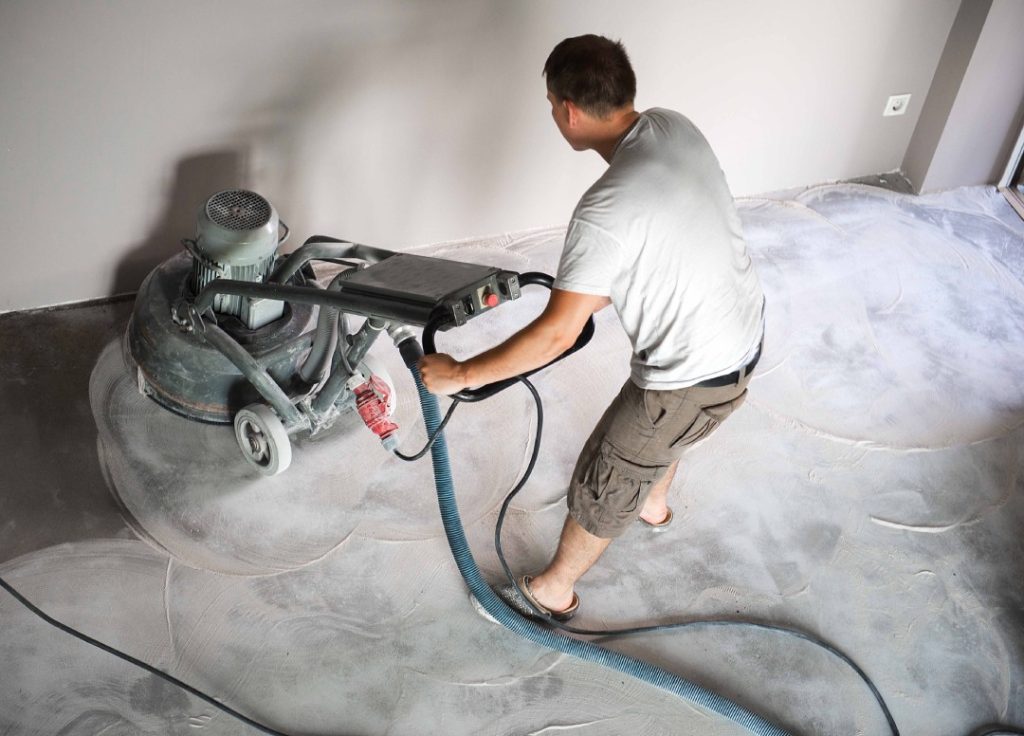
- Diamond Grinding is the most common method. It gently removes the polished layer and exposes the raw concrete beneath.
- Shot Blasting is more aggressive and better for certain epoxy systems but may leave too rough a profile for interior aesthetics.
Moisture Content and Testing
Moisture vapor emissions can ruin epoxy from below. Always test your polished slab using calcium chloride kits or RH probes. If the levels are too high? You’ll need a vapor barrier or moisture-blocking primer.
Steps to Apply Epoxy Over Polished Concrete
Step 1: Assess the Surface
Look for sealants, oils, or stains. Anything on the surface can interfere with adhesion. If your polished floor has been waxed or sealed, you’ll need to completely remove those layers.
Step 2: Prepare the Surface Correctly
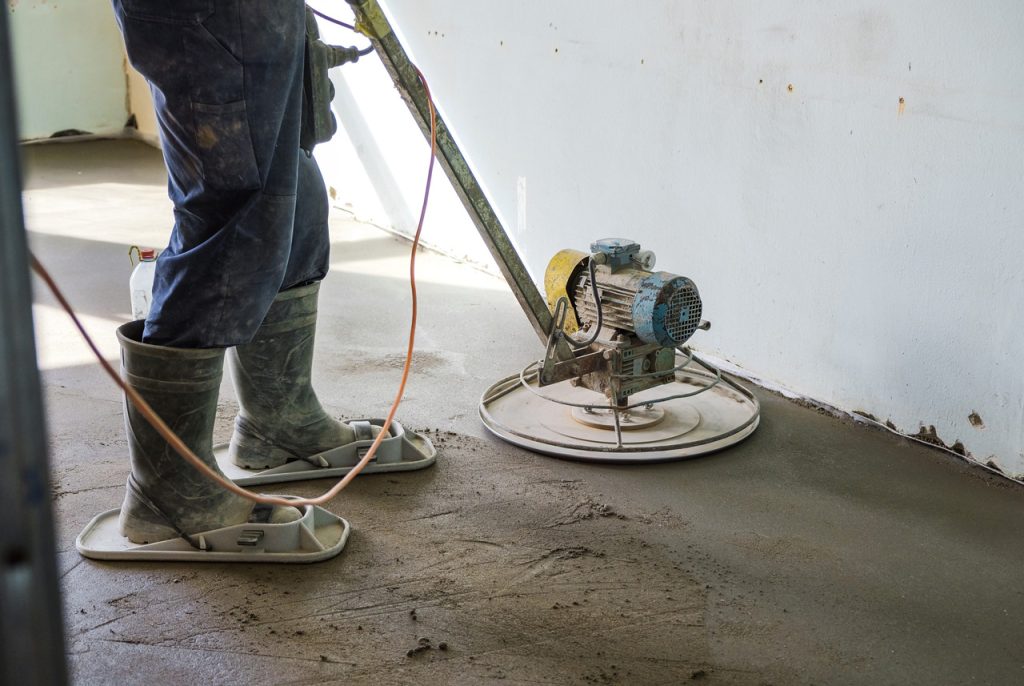
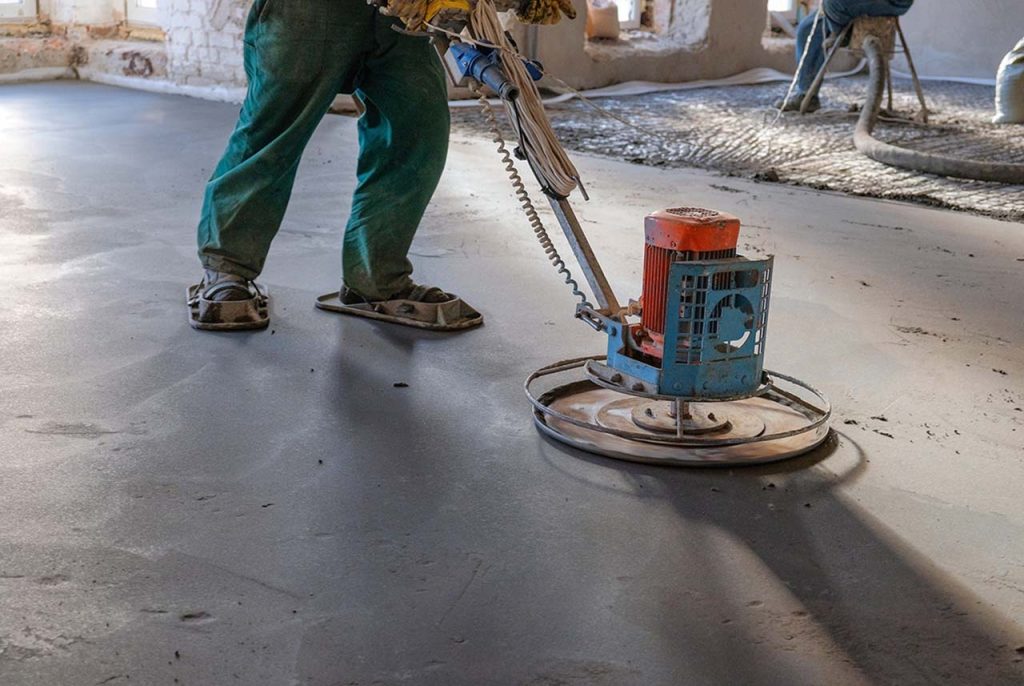
Here’s where the magic happens. Use a diamond grinder with the right grit (usually 30–80 grit) to rough up the polished surface and open up the pores. Then, clean the floor thoroughly with a vacuum and microfiber mop.
Step 3: Choose the Right Epoxy System
Not all epoxies are created equal. For polished concrete, you’ll want:
- A penetrating primer
- A high-solids or 100% solids epoxy
- Optional urethane or polyaspartic topcoat for UV protection and added strength
Step 4: Apply Primer and Epoxy Coating
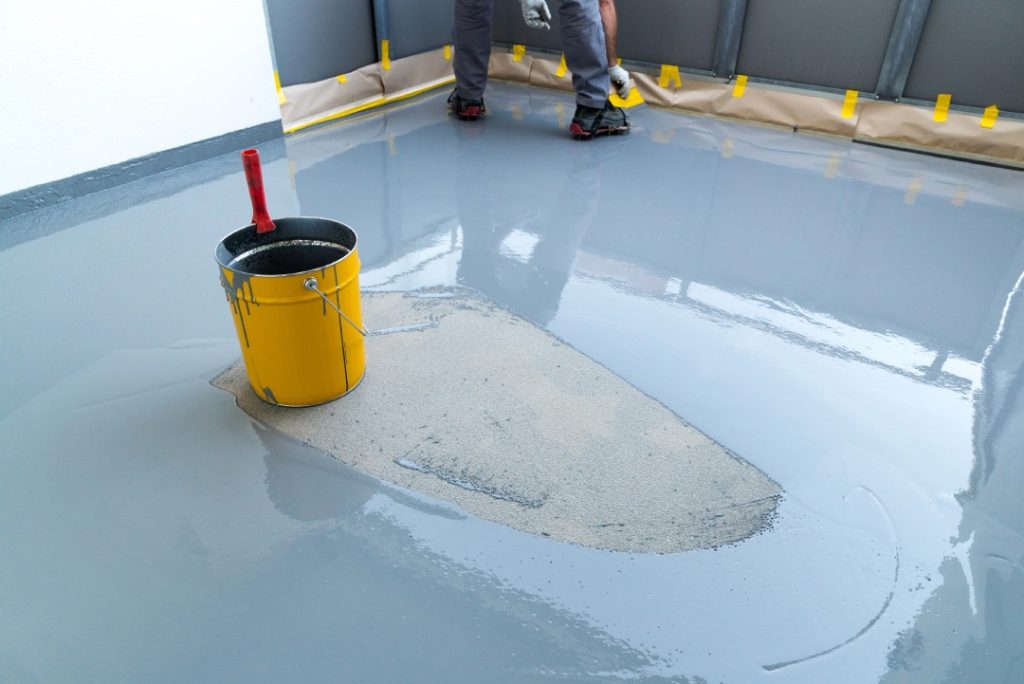
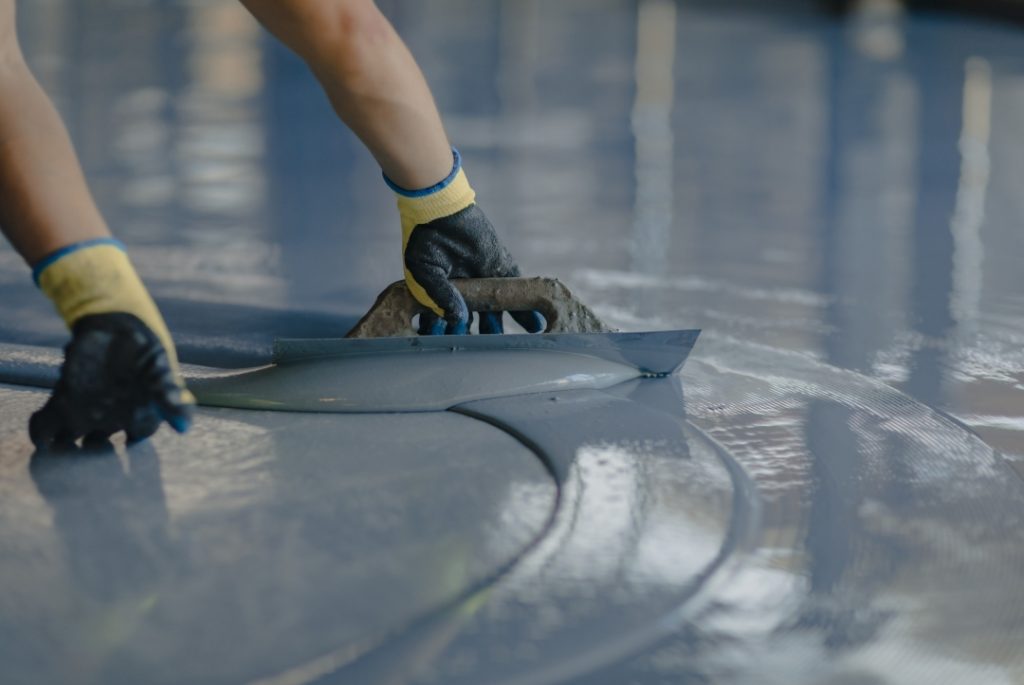
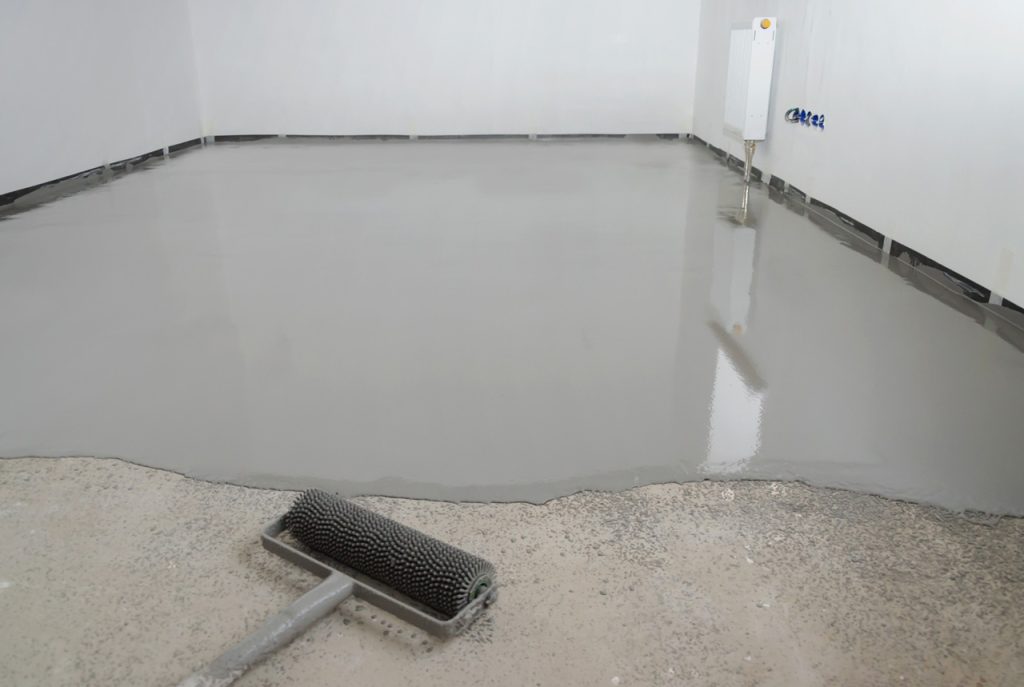
Apply your primer first to ensure proper bonding. Let it cure, then go in with your epoxy base coat. You can add color flakes, metallic pigments, or keep it solid—totally your call.
Step 5: Let It Cure Properly
No shortcuts here. Curing takes 24–72 hours depending on the product. Keep the area well-ventilated and protected from dust or foot traffic.
Alternative Options to Epoxy Over Polished Concrete
Using a Densifier and Stain
Want color and shine without epoxy? You can use concrete stains and reapply a densifier, then burnish the floor. It’s a more natural finish but still packs a visual punch.
Burnishing Instead of Coating
Burnishing with a high-speed buffer can bring back the luster of polished concrete without adding any layers. Low maintenance, high reward.
The Role of a Professional Contractor
This isn’t a DIY weekend warrior project unless you’re super confident and have access to industrial tools.
Why Choose One Awesome Concrete
At One Awesome Concrete, we specialize in surface preparation, epoxy systems, and polished concrete restoration. We know exactly how to convert even the slickest surface into a bondable beauty. Our team handles:
- Moisture testing
- Precision grinding
- Epoxy system selection and application
- Post-project maintenance tips
We make sure your epoxy sticks—and stays beautiful.
Pros and Cons of Epoxying Over Polished Concrete
Pros
- Super glossy, showroom-ready finish
- Resistant to chemicals, oil, stains
- Customizable colors and textures
- Long-lasting when properly applied
Cons
- Intensive surface prep required
- Cost can be higher due to labor
- DIY risks are real—wrong prep = peeling
- Moisture issues can ruin the job
Common Mistakes to Avoid
- Skipping surface prep
- Ignoring moisture levels
- Using the wrong epoxy product
- Not allowing proper curing time
- Thinking polishing and sealing are the same as prepping
Maintenance After Epoxy Installation
Treat it like a luxury car floor. Use pH-neutral cleaners, avoid harsh chemicals, and clean spills ASAP. Place mats in high-traffic areas and never drag heavy items across it. Every 2–3 years, consider recoating high-use spaces to maintain that like-new look.
One Awesome Concrete Serving the Meadowcreek Community and Beyond in Houston
One Awesome Concrete is dedicated to serving the diverse needs of the local community of Houston, including individuals residing in neighborhoods like Meadowcreek. With its convenient location near landmarks such as the Quail Valley Community Church and major intersections like Bright Meadows Dr. & Waterfall Dr. (coordinates: 29.587361223019474, -95.53782305927905), we offer polished cement flooring Houston services.
Get Polished Cement Flooring Houston Services at Meadowcreek Now
Contact Us
(832) 368-9257
Navigate from Meadowcreek to One Awesome Concrete Now
The Truth Beneath the Shine: What You Really Need to Know
Can you epoxy over polished concrete? Yes, but only if you respect the prep. Think of it like building a house—your foundation has to be right, or the whole thing crumbles. With the right tools, knowledge, and pros like One Awesome Concrete on your side, you can transform polished concrete into an epoxy-coated masterpiece that’s durable, stylish, and built to last.
FAQs
1. Can I epoxy over polished concrete without grinding it first?
Nope. Polished concrete is too smooth for epoxy to bond. Grinding opens up the pores and gives epoxy a surface to grab onto.
2. What happens if epoxy is applied directly to polished concrete?
It will likely peel, bubble, or delaminate in weeks or months. Surface prep is crucial.
3. How do I know if my floor needs moisture testing?
If your concrete is on-grade or below-grade, you definitely need testing. Moisture issues can destroy epoxy.
4. How long does it take to epoxy over polished concrete?
Including prep, it usually takes 2–4 days depending on the size of the area and curing time.
5. How much does it cost to epoxy over polished concrete?
Costs vary, but professional epoxy systems over prepped polished concrete can range between $6–$12 per sq. ft, depending on condition, prep needs, and finish ty


RELIABLE, TRUSTWORTHY, and AFFORDABLE PROFESSIONAL SERVICES
or Call us now at
(832) 368 – 9257
Recent Blogs
Can Refinished Cement Flooring Withstand Heavy Foot Traffic
When it comes to choosing flooring that lasts, one common question from property owners, business managers, and homeowners is whether refinished cement flooring can handle heavy foot traffic. With increasing popularity in both commercial and residential settings, cement floors are no longer seen as just utilitarian surfaces, they are stylish, durable, and highly customizable. But…How to Easily Repair Damaged Finished Concrete Flooring
Finished concrete flooring is known for its durability, clean appearance, and low maintenance. Whether you have polished concrete, stained concrete, sealed concrete, or epoxy-coated concrete floors, the surface can still experience damage over time. Cracks, chips, surface scratches, spalling, and discoloration are common issues in both residential and commercial spaces. This guide explains how to…How Contractors Ensure Smooth Polished Cement Finishes
Polished cement flooring is widely used in commercial buildings, retail stores, warehouses, healthcare facilities, restaurants, and modern residential properties. Property owners choose polished cement because it offers durability, low maintenance, high light reflectivity, and long service life. However, achieving a smooth polished cement finish requires more than running a grinder over a concrete slab. It…



EXPERT CONSULTATION, SWIFT QUOTATIONS
Ready to bring your concrete vision to life? Reach out to One Awesome Concrete Polishing & Staining today for expert consultations and fast, accurate quotations. Our team of professionals is dedicated to providing personalized guidance and precise estimates, ensuring that your project is executed to perfection. Whether you’re looking to enhance your home, renovate a commercial space, or overhaul an industrial facility, we have the experience and tools to handle projects of all sizes. Contact us today, and let’s work together to transform your space with the beauty and durability of cement polishing company Houston. Experience top-tier service and exceptional results with One Awesome Concrete Polishing & Staining.


