
Can You Polish Existing Concrete?
Posted On July 17, 2025
Spoiler alert: Yes, you absolutely can. But before you grab a grinder and go to town on your garage floor, let’s break down what it really takes to polish existing concrete. Whether it’s in a warehouse, basement, showroom, or living room, that dull, tired slab might just be hiding some serious shine. And if you’re in Hunters Park or nearby, One Awesome Concrete has the tools, expertise, and attitude to bring it to life.
What Is Polished Concrete?
The Basics of Concrete Polishing
Polished concrete is exactly what it sounds like: a smooth, glossy surface made by grinding down concrete with progressively finer tools until it shines like a mirror. Think of it as giving your concrete a spa day—it starts rough, gets some TLC, and ends up glowing.
Why It’s So Popular in Modern Spaces
You’ve probably seen polished concrete in retail stores, modern lofts, restaurants, or even art galleries. It’s sleek, industrial, low-maintenance, and just cool. It also reflects light beautifully, which can brighten up large spaces and make them feel open and clean.
Can You Polish Existing Concrete in Hunters Park?
Short Answer: Yes—But It Depends
Yes, you can polish existing concrete, and in many cases, it turns out beautifully. But like most things in construction, it depends on the condition of the concrete and how it was originally poured. For example, concrete that’s been used in industrial settings might have absorbed oils or chemicals that need to be addressed. Likewise, if the floor has had multiple layers of paint, glue, or epoxy applied over the years, those coatings will need to be carefully removed.
The key is proper assessment and surface preparation. You can’t just start grinding and hope for a glossy finish. That’s why professionals like One Awesome Concrete evaluate every slab carefully before beginning. They’ll check for hardness, porosity, and structural integrity to determine if the floor is a good candidate for polishing—or if it needs some TLC first.
What Conditions Must Existing Concrete Meet?
Surface Condition
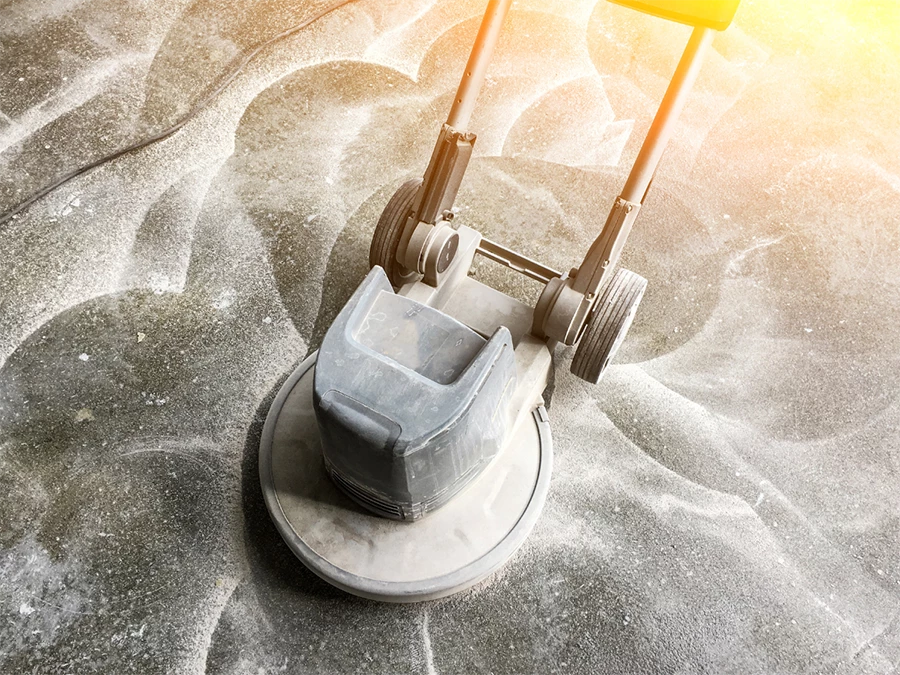
A smooth, clean surface is essential for polished concrete to look its best.
Here’s what that really means:
- Minor cracks are typically not a problem. They can be filled during the polishing prep stage, often blending beautifully into the finished look.
- Major cracks, pitting, or deep spalling (when the surface is chipping or flaking) may require patching or resurfacing first. Without these repairs, the polishing process can highlight the flaws instead of hiding them.
- Surface flatness also plays a role. If the floor has high or low spots, grinding will need to level it out before fine polishing can even begin.
If your concrete is uneven or in poor shape, don’t worry. One Awesome Concrete specializes in concrete repair and leveling before polishing, so they can often restore even rough surfaces to a mirror-like shine.
Age of the Concrete
Contrary to what some might think, older concrete is not a disadvantage—in fact, it can often be better for polishing. Here’s why:
- Fully cured concrete (older than 28 days) tends to be harder and more stable. That’s ideal for polishing because it reacts better to densifiers and creates a tighter, shinier finish.
- New concrete, on the other hand, needs time to cure and settle before it can be polished—typically at least a month. If it’s polished too early, the moisture and softness can interfere with the polishing process.
- Concrete that’s decades old can still be polished as long as it’s structurally sound. Even some surface-level imperfections can be corrected with grinding and patching.
One Awesome Concrete will assess the hardness and depth of any deterioration before getting started, using tools like a Mohs hardness test to ensure the surface is ready for polishing.
Previous Coatings or Treatments
Many existing concrete floors have a history—and that history is often layered with:
- Paints and latex coatings
- Tile or carpet adhesives
- Epoxy or polyurethane sealers
- Grease or chemical residue (especially in garages or commercial kitchens)
These all interfere with the polishing process. Why? Because polishing requires full contact with the raw concrete, and these substances act as barriers. They must be completely removed before any grinding or polishing can begin.
Luckily, this isn’t a dealbreaker. One Awesome Concrete uses high-powered grinders, shot blasters, and chemical strippers (as needed) to safely strip away coatings. Their equipment can even remove multiple layers without gouging or damaging the slab underneath.
If coatings are especially stubborn—like old epoxy layers—the team might start with more aggressive diamond tools before moving to finer grits. The goal is always the same: get to a clean, porous surface that’s ready for densifying and polishing.
What If Your Existing Concrete Has Issues?
Common Problems with Older Slabs
- Cracking
- Moisture issues
- Oil or chemical stains
- Uneven surfaces
All of these can potentially be fixed—but they’ll need to be fixed before the polishing starts.
Repairing Before Polishing
A professional crew like One Awesome Concrete will assess your slab and decide on the right repair method: fillers, patching compounds, or even grinding down high spots. That prep work is everything—it’s what sets the stage for a great final shine.
How the Concrete Polishing Process Works in One Awesome Concrete
Step-by-Step Breakdown
- Inspection & Testing – Determine concrete hardness and condition
- Coating Removal (if needed)
- Initial Grinding – Using a coarse grit to remove surface imperfections
- Progressive Grinding – Move to finer grits for smoothness
- Densifier Application – Hardens the surface for better polish
- Polishing – Multiple passes to get the desired level of gloss
- Sealing (optional) – For stain resistance and shine boost
Equipment and Grit Levels Used
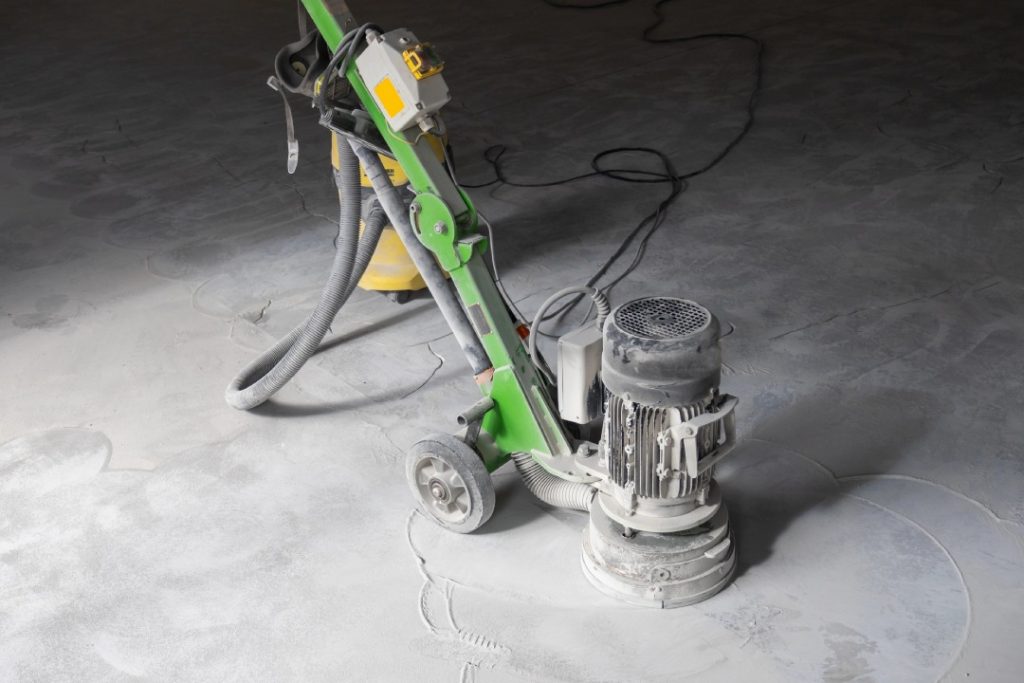
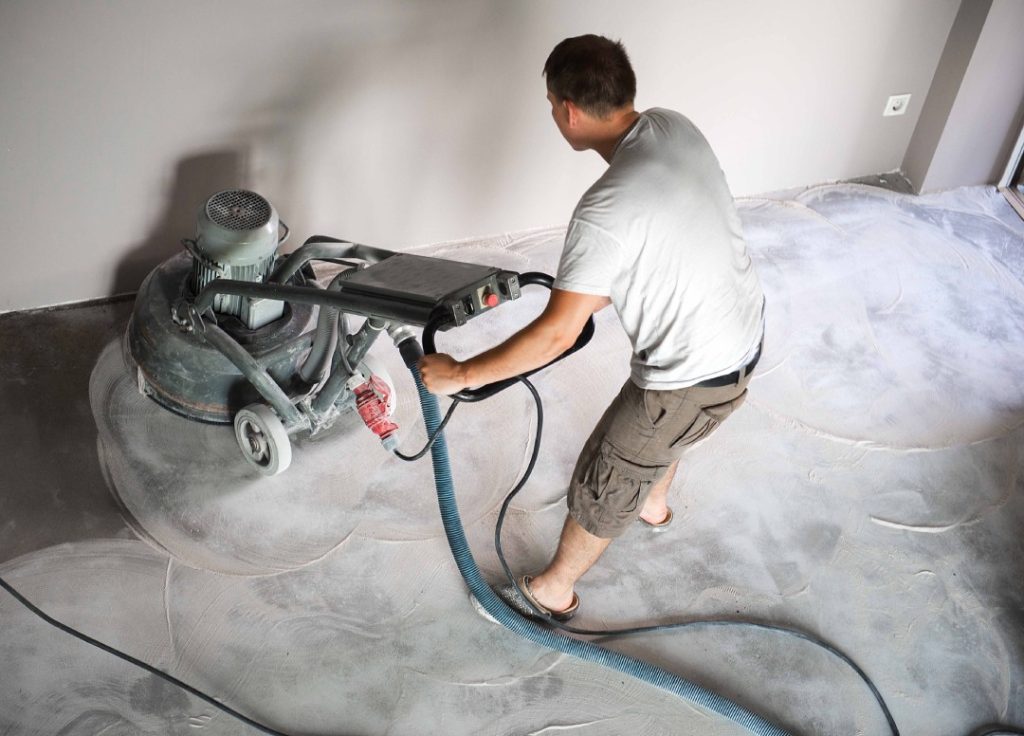
Polishing is a dance between diamond-grit pads and heavyweight grinders. You might start with 30-grit for rough work and finish at 800, 1500, or even 3000-grit for that glassy look. Trust us—this isn’t your average Home Depot rental job.
DIY vs. Hiring a Pro
When DIY Makes Sense
If you’re tackling a small area like a basement or patio, you could rent the gear and go for it. But polishing concrete takes patience, knowledge, and a lot of muscle. A slight mistake can turn your slab into a blotchy mess.
Why Hiring One Awesome Concrete Is Worth It
- Experience: They’ve done this hundreds of times.
- Equipment: Industrial machines > rental units
- Finish Quality: They know how to get that deep, even shine.
- Time: What might take you 4 weekends, they can finish in a few days.
Benefits of Polishing Existing Concrete
Durability and Longevity
Once polished, your concrete becomes harder, denser, and much more resistant to wear and tear. No peeling, no flaking—just long-lasting performance.
Low Maintenance and Cost Savings
Say goodbye to waxes, stripping, and constant resealing. Polished concrete just needs basic cleaning and it still looks amazing years later. That means lower long-term costs.
Style, Shine, and Modern Appeal
Concrete doesn’t have to be boring. Polishing brings out its natural beauty—unique patterns, tones, and textures that look high-end without the high price tag.
Polished Concrete in Different Spaces
Residential Applications
- Living rooms
- Kitchens
- Garages
- Basements
Polished concrete gives homes a fresh, modern look and holds up great against pets, kids, and chaos.
Commercial and Industrial Uses
- Warehouses
- Restaurants
- Offices
- Retail stores
For commercial spaces, polished concrete is a no-brainer: it’s tough, clean, and looks awesome with very little upkeep.

How Much Does It Cost to Polish Existing Concrete?
Factors That Affect Price
- Size of the area
- Condition of the concrete
- Level of shine desired
- Coating removal or repairs needed
What You Can Expect to Pay
On average, you’re looking at $3 to $7 per square foot for basic polishing. Higher gloss levels or stained finishes can increase that. But compared to tile or hardwood? It’s a steal—especially since it lasts decades.
How to Prepare for a Concrete Polishing Job
Clear the Area
Move out furniture, cover nearby surfaces, and make space for the crew and equipment. It’s dusty work, and you’ll want a clean slate.
Work with a Professional Like One Awesome Concrete
They’ll walk you through the process, inspect the space, and give you a realistic estimate. No guesswork. Just results.
One Awesome Concrete Serving the Hunters Park Community and Beyond in Houston
One Awesome Concrete is dedicated to serving the diverse needs of the local community of Houston, including individuals residing in neighborhoods like Hunters Park. With its convenient location near landmarks such as the Missouri City KinderCare and major intersections like Missouri City Dr. & Kenforest Dr. (coordinates: 29.605348055878242, -95.52748132044677), we offer concrete polishing floors Houston services.
Get Concrete Polishing Floors at Hunters Park Now
Contact Us
(832) 368-9257
Navigate from Hunters Park to One Awesome Concrete Now
Reviving Concrete Floors: A Smart, Stylish Investment
Can you polish existing concrete? Absolutely. It just depends on the condition of the slab and your goals for the space. Done right, polished concrete is durable, affordable, and incredibly stylish. If you’re anywhere near Hunters Park, trust One Awesome Concrete to transform your dull gray floors into a high-gloss masterpiece.
FAQs
Q1: How long does it take to polish existing concrete?
Typically, 2–5 days depending on the size and condition of the floor.
Q2: Is polished concrete slippery?
Nope! Despite the shine, it actually provides great traction. You can even add anti-slip treatments if needed.
Q3: Can I polish outdoor concrete?
Yes, but weather exposure can impact gloss retention. A sealant is highly recommended.
Q4: Does polished concrete crack?
All concrete can crack, but polishing doesn’t increase the risk. Cracks can also be filled and blended.
Q5: Can I customize the color or look of polished concrete?
Absolutely! You can stain it, dye it, or just highlight the natural tones and aggregate already in the slab.


RELIABLE, TRUSTWORTHY, and AFFORDABLE PROFESSIONAL SERVICES
or Call us now at
(832) 368 – 9257
Recent Blogs
Can Refinished Cement Flooring Withstand Heavy Foot Traffic
When it comes to choosing flooring that lasts, one common question from property owners, business managers, and homeowners is whether refinished cement flooring can handle heavy foot traffic. With increasing popularity in both commercial and residential settings, cement floors are no longer seen as just utilitarian surfaces, they are stylish, durable, and highly customizable. But…How to Easily Repair Damaged Finished Concrete Flooring
Finished concrete flooring is known for its durability, clean appearance, and low maintenance. Whether you have polished concrete, stained concrete, sealed concrete, or epoxy-coated concrete floors, the surface can still experience damage over time. Cracks, chips, surface scratches, spalling, and discoloration are common issues in both residential and commercial spaces. This guide explains how to…How Contractors Ensure Smooth Polished Cement Finishes
Polished cement flooring is widely used in commercial buildings, retail stores, warehouses, healthcare facilities, restaurants, and modern residential properties. Property owners choose polished cement because it offers durability, low maintenance, high light reflectivity, and long service life. However, achieving a smooth polished cement finish requires more than running a grinder over a concrete slab. It…


EXPERT CONSULTATION, SWIFT QUOTATIONS
Ready to bring your concrete vision to life? Reach out to One Awesome Concrete Polishing & Staining today for expert consultations and fast, accurate quotations. Our team of professionals is dedicated to providing personalized guidance and precise estimates, ensuring that your project is executed to perfection. Whether you’re looking to enhance your home, renovate a commercial space, or overhaul an industrial facility, we have the experience and tools to handle projects of all sizes. Contact us today, and let’s work together to transform your space with the beauty and durability of cement polishing company Houston. Experience top-tier service and exceptional results with One Awesome Concrete Polishing & Staining.


