
How Thick Does Concrete Need to Be to Polish
Posted On August 28, 2025
Polished concrete has become one of the most sought-after flooring options in homes, offices, and even warehouses. It’s durable, sleek, and easy to maintain. But here’s the thing: polishing isn’t just about giving concrete a glossy finish, it depends heavily on how thick the concrete slab is. If you try polishing concrete that’s too thin, the floor might not last, and cracks could show up sooner than expected.
In this guide, we’ll walk through how thick concrete needs to be for polishing, what influences slab depth, and why choosing an expert team like One Awesome Concrete in Benchmark makes a difference.
Understanding Concrete Polishing
What Concrete Polishing Really Means
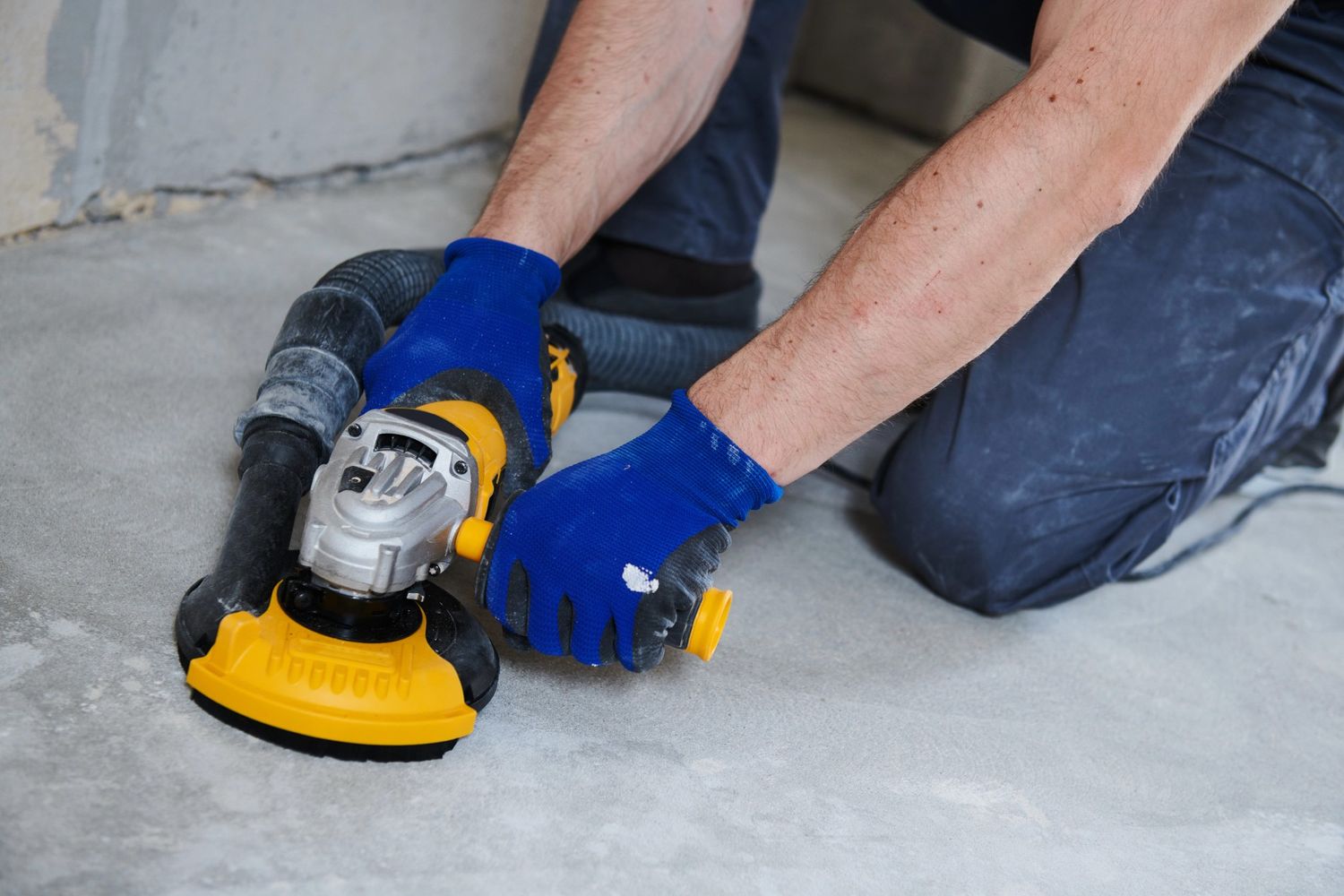
Concrete polishing isn’t simply buffing the surface. It’s a process involving multiple grinding stages where contractors gradually use finer grits to smooth the surface until it reaches the desired shine, anything from matte to high-gloss. Think of it like polishing a gemstone: each pass reveals more beauty while also making the surface harder and more durable.
Benefits of Polished Concrete Floors
Polished concrete is popular in Benchmark because it blends strength with style. Here are a few standout benefits:
- Longevity: Properly polished floors can last decades without replacement.
- Low maintenance: Just regular sweeping and occasional mopping are enough.
- Cost-effectiveness: Compared to other flooring types, long-term upkeep costs are minimal.
- Aesthetic appeal: The finish reflects light beautifully, making spaces look brighter and more open.
- Eco-friendly: No need for coatings like vinyl or carpet that wear out quickly.
The Role of Thickness in Polished Concrete
Why Thickness Matters for Durability
Concrete isn’t just a surface, it’s the foundation of your floor. Thickness ensures the slab has enough depth to handle the grinding process without exposing weak layers. A thicker slab can withstand polishing while maintaining structural strength.
Structural Integrity and Load-Bearing
Think about the amount of weight your floor carries: couches, beds, heavy appliances, or even forklifts in commercial settings. The thicker the slab, the better it distributes that weight, reducing the chance of cracks and chips.
Minimum Thickness Requirements
Industry Standards Explained
Industry professionals recommend at least 4 inches of concrete for residential spaces and 6 inches for commercial areas. These guidelines ensure enough thickness for polishing while keeping the slab structurally sound.
Residential vs. Commercial Floors
Homes and Small Spaces
For homeowners in Benchmark, a 4-inch slab usually works well. It provides enough strength for foot traffic and everyday furniture while still allowing room for polishing.
Warehouses, Offices, and Retail
Larger spaces with heavier demands, like offices, retail stores, or warehouses, benefit from 6 inches or more. The added depth ensures the floor holds up under constant pressure, heavy loads, and daily polishing wear.
Recommended Thickness for Long-Term Performance
Best Practices for New Slabs
If you’re starting from scratch, go slightly thicker than the minimum requirement. Contractors often recommend 5–6 inches in homes and 6–8 inches in commercial spaces. This buffer ensures durability, especially if you plan to polish.
What to Do with Existing Thin Slabs
Already have concrete that’s thinner than recommended? Don’t panic. In some cases, overlays, densifiers, or resurfacing can help strengthen the floor. While polishing options may be limited, professionals like One Awesome Concrete can guide you through the safest solutions.
Factors That Influence Thickness Decisions
Type of Concrete Mix Used
Not all concrete mixes are created equal. High-strength mixes may allow thinner slabs to perform better, while standard mixes require greater thickness for stability.
Subgrade Preparation and Soil Conditions
The ground under your slab matters. If the soil is soft or poorly compacted, you’ll need more concrete depth to balance the load. Otherwise, cracks can develop, no matter how polished the surface looks.
Expected Foot Traffic and Heavy Equipment
A floor in a family home won’t face the same stress as a warehouse. The heavier the use, the thicker the slab should be.
Common Mistakes with Polishing Thin Concrete
Grinding Too Deep
One of the most common mistakes is over-grinding a thin slab. When contractors go too deep, they risk exposing aggregate unevenly or even cutting into the structural base.
Overlooking Subsurface Issues
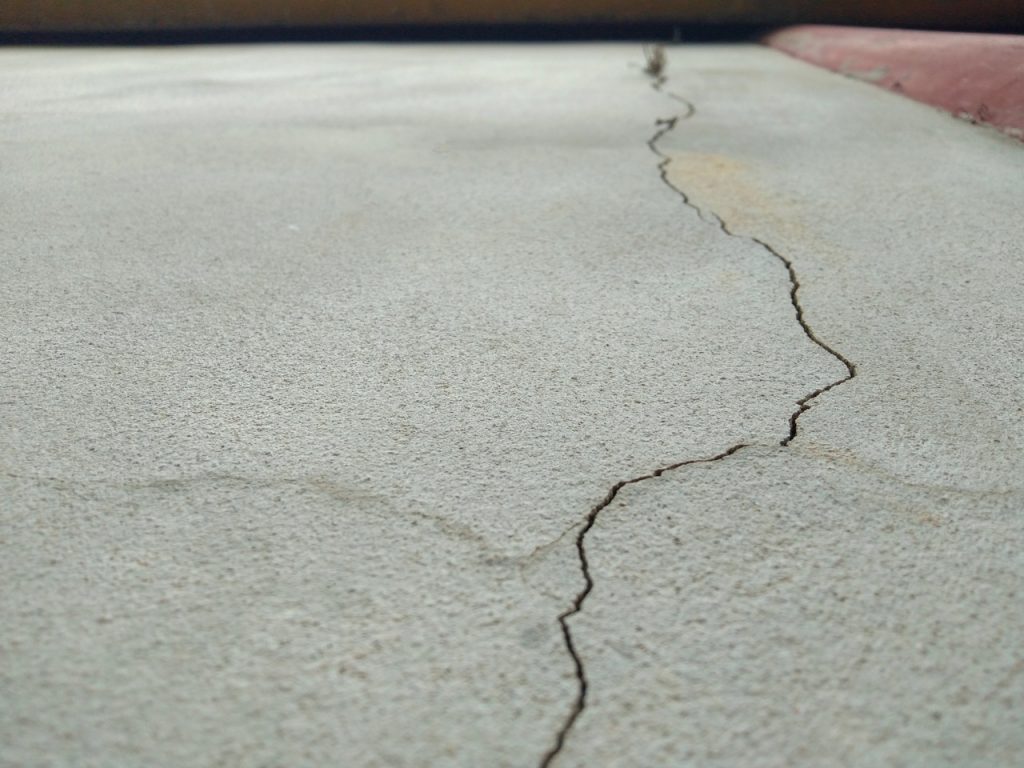
If the slab is thin and the soil underneath isn’t properly prepared, polishing will only highlight flaws instead of fixing them. Cracks or dips often show up months after polishing.
The Polishing Process Step by Step
Surface Preparation
Contractors start by cleaning the slab, fixing chips, and filling cracks. This prep work ensures the grinding process doesn’t make imperfections worse.
Grinding and Honing
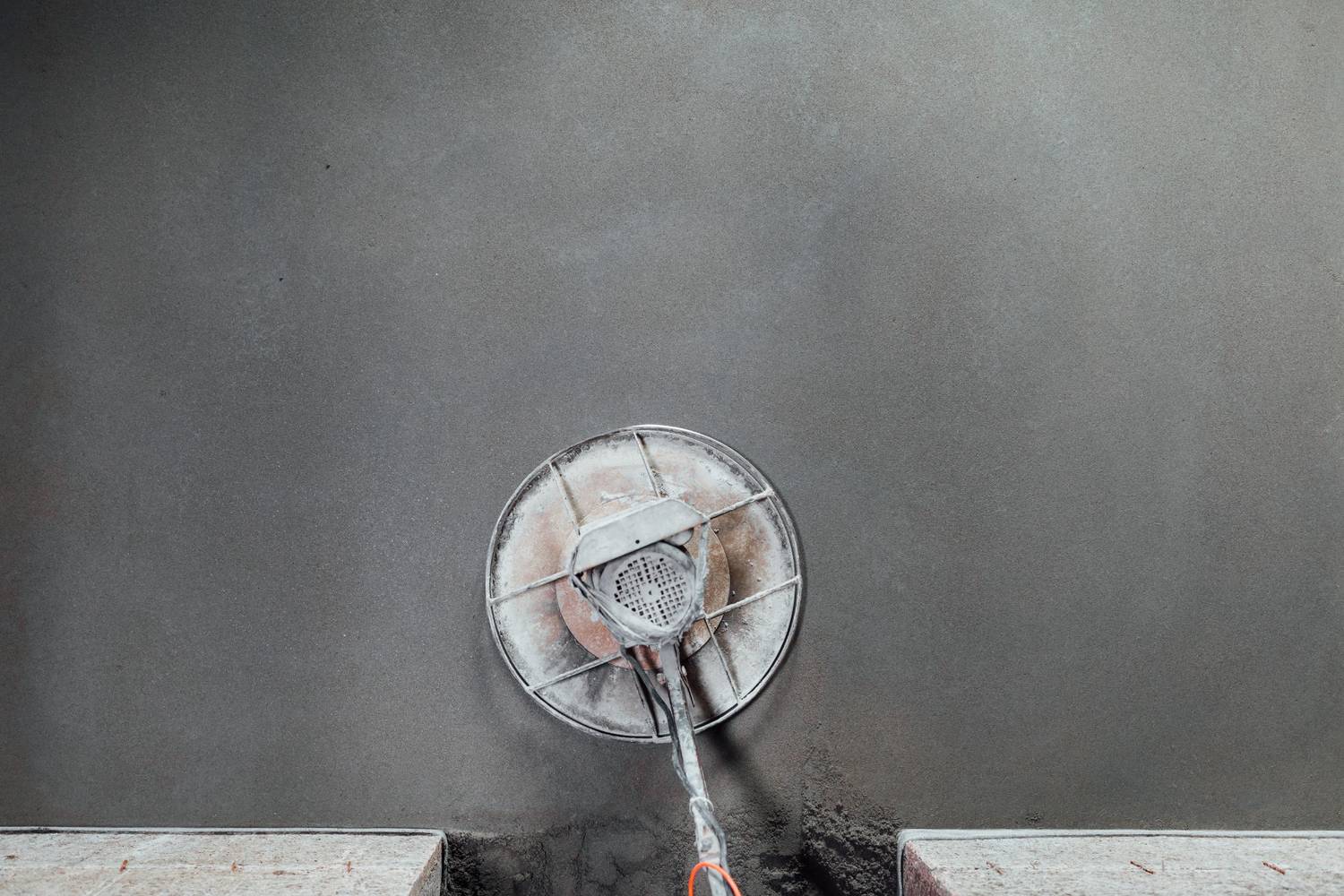
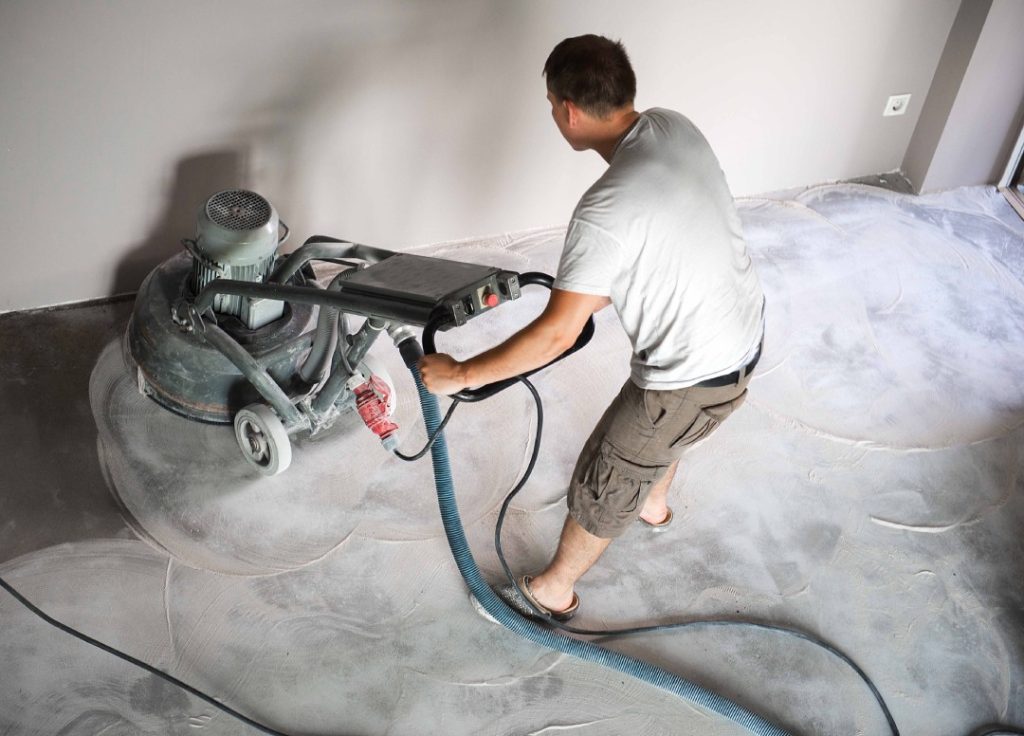
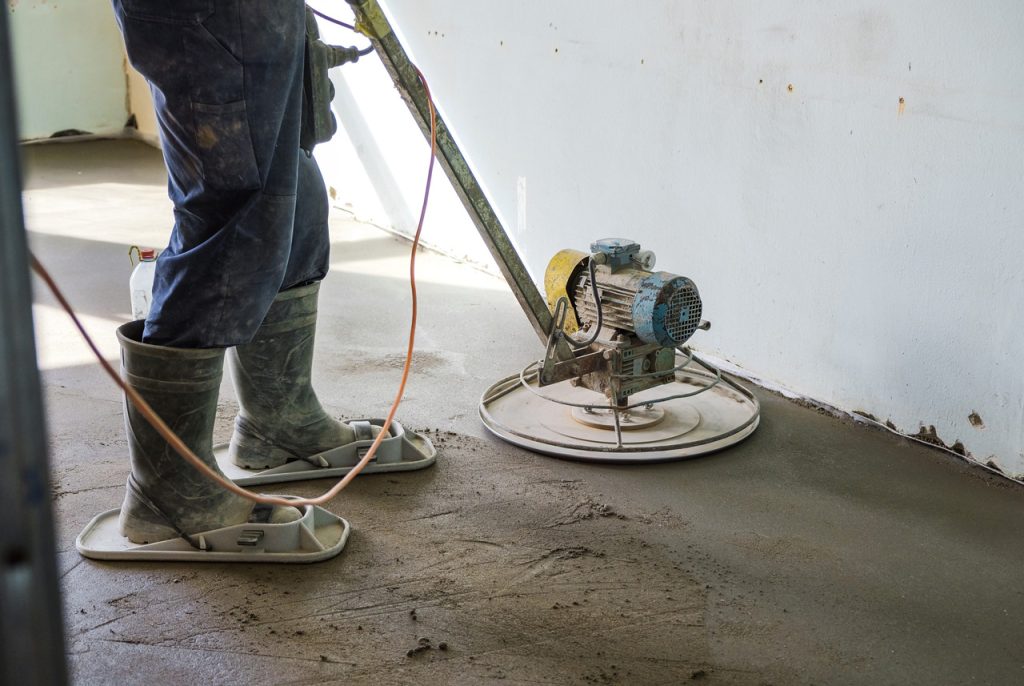
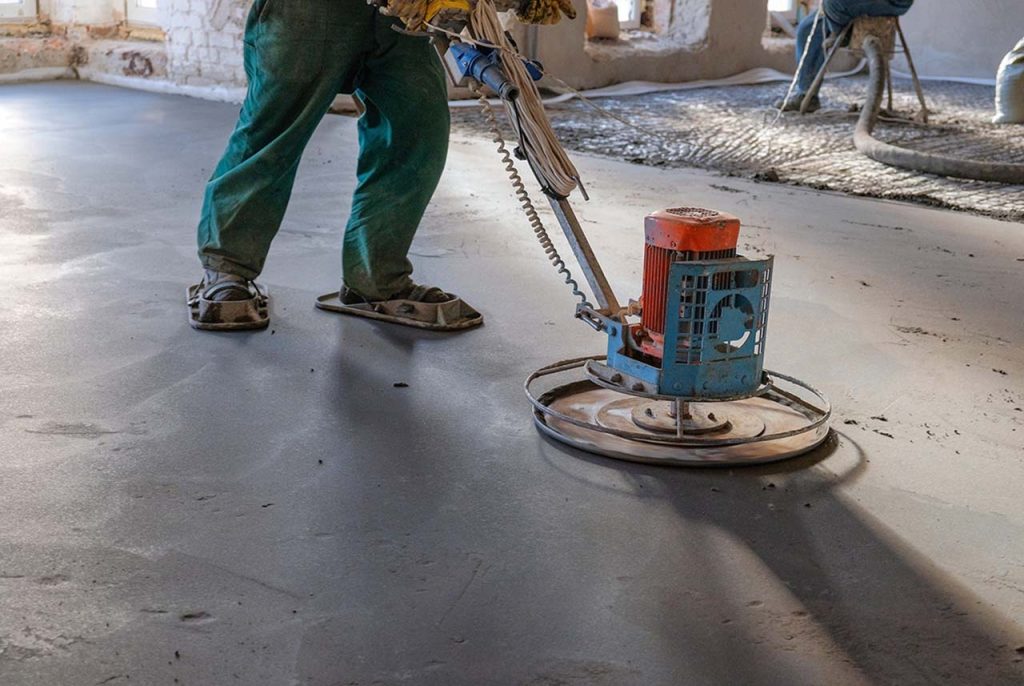
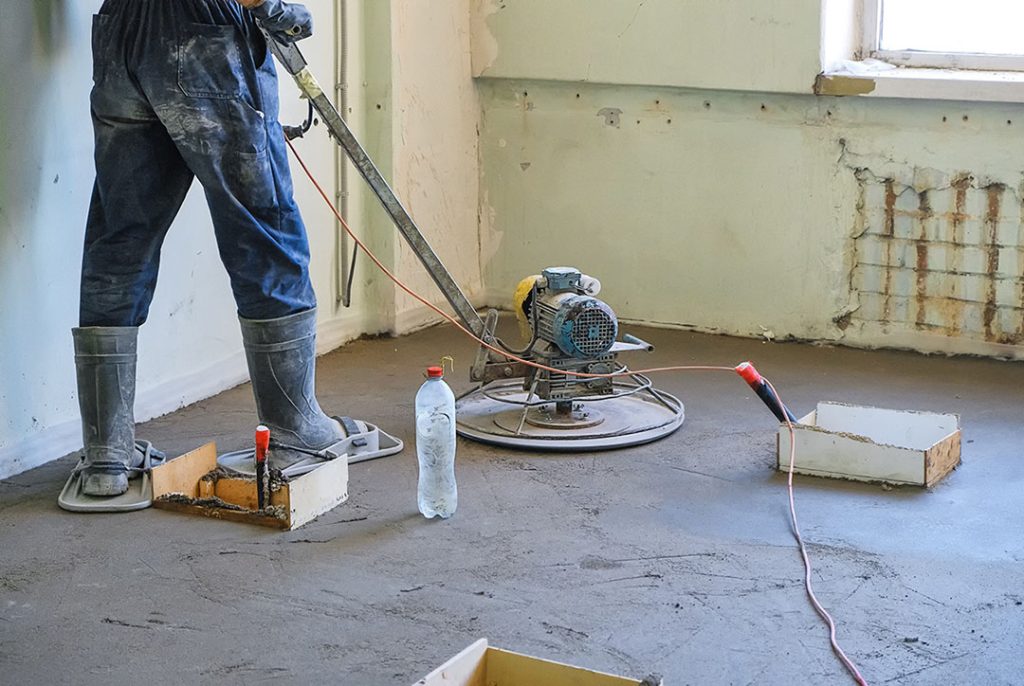
Using industrial grinders, they carefully remove thin layers of concrete. Each pass uses finer grit levels until the floor reaches a smooth, even look.
Final Polishing and Sealing
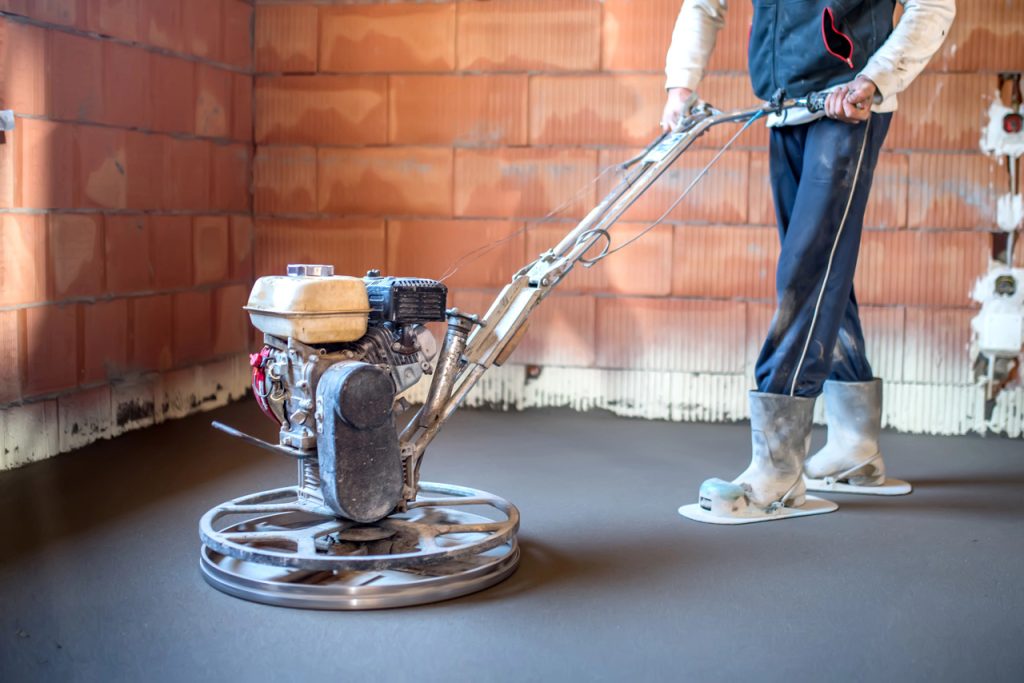
Once the desired finish is achieved, the floor is polished and sealed. This final step strengthens the surface, making it resistant to stains and scratches.
One Awesome Concrete: Benchmark’s Trusted Experts
Why Benchmark Homeowners and Businesses Choose Them
When it comes to polished concrete in Benchmark, One Awesome Concrete stands out. They don’t just grind and polish, they assess your slab’s thickness, soil conditions, and load-bearing capacity before recommending solutions.
Their Expertise in Thickness Assessment
Their team knows how crucial slab depth is. If your floor is too thin, they provide alternative solutions like overlays or reinforcement methods to ensure your polished floor is both strong and attractive.
Comparing Polished Concrete with Other Flooring
Tiles and Hardwood
Tiles and hardwood look beautiful but often demand more upkeep. Wood scratches easily, and tiles can crack under pressure. In contrast, polished concrete stays resilient and stylish with minimal care.
Epoxy and Vinyl
Epoxy and vinyl may look good initially but don’t last as long as polished concrete. They can peel, fade, or bubble over time, while polished concrete keeps its shine for decades.
How to Maintain Polished Concrete Floors
Simple Cleaning Practices
Keeping polished concrete clean is simple: sweep daily, mop with a neutral cleaner, and avoid harsh chemicals.
Preventing Chips and Cracks
Small actions like placing mats at entryways, adding felt pads under heavy furniture, and addressing tiny cracks early can prevent major issues down the road.
Cost Considerations Based on Thickness
Installation Costs
Thicker slabs require more concrete, labor, and preparation, which increases upfront costs. However, skimping on thickness can lead to expensive repairs later.
Long-Term Savings
Because polished concrete lasts so long, it often saves Benchmark homeowners and businesses money in the long run. A slightly higher investment upfront usually means fewer replacements and less maintenance.
One Awesome Concrete Serving the Benchmark Community and Beyond in Houston
One Awesome Concrete is dedicated to serving the diverse needs of the local community of Houston, including individuals residing in neighborhoods like Benchmark. With its convenient location near landmarks such as the McAuliffe Middle School and major intersections like Hobby Rd. & S Post Oak Rd. (coordinates: 29.58735160525087, -95.47577262957087), we offer concrete polishing floors Houston services.
Get Concrete Polishing Floors at Benchmark Now
Contact Us
(832) 368-9257
Navigate from Benchmark to One Awesome Concrete Now
The Essential Thickness Guide for Polished Concrete
When it comes to polished concrete, thickness is non-negotiable. A 4-inch slab works for homes, while 6 inches or more is ideal for commercial spaces. Going thicker ensures your polished floor is not only beautiful but also long-lasting. In Benchmark, trusting experts like One Awesome Concrete means you’ll get professional guidance and flawless results.
FAQs
1. Can a 3-inch concrete slab be polished?
It’s not recommended. A 3-inch slab often lacks the strength to handle grinding and polishing, and cracks are more likely.
2. What’s the ideal thickness for commercial polished concrete?
A minimum of 6 inches, but 8 inches is often preferred for heavy traffic areas like warehouses.
3. Can existing thin slabs in Benchmark still be polished?
Sometimes. Solutions like overlays or resurfacing may help, but a professional inspection is necessary.
4. How long will a polished concrete floor last?
With proper thickness and maintenance, polished concrete can last 20–30 years or more.
5. Why choose One Awesome Concrete in Benchmark?
Because we combine technical expertise with local experience, ensuring your polished concrete floor is both strong and stylish.


RELIABLE, TRUSTWORTHY, and AFFORDABLE PROFESSIONAL SERVICES
or Call us now at
(832) 368 – 9257
Recent Blogs
Can Refinished Cement Flooring Withstand Heavy Foot Traffic
When it comes to choosing flooring that lasts, one common question from property owners, business managers, and homeowners is whether refinished cement flooring can handle heavy foot traffic. With increasing popularity in both commercial and residential settings, cement floors are no longer seen as just utilitarian surfaces, they are stylish, durable, and highly customizable. But…How to Easily Repair Damaged Finished Concrete Flooring
Finished concrete flooring is known for its durability, clean appearance, and low maintenance. Whether you have polished concrete, stained concrete, sealed concrete, or epoxy-coated concrete floors, the surface can still experience damage over time. Cracks, chips, surface scratches, spalling, and discoloration are common issues in both residential and commercial spaces. This guide explains how to…How Contractors Ensure Smooth Polished Cement Finishes
Polished cement flooring is widely used in commercial buildings, retail stores, warehouses, healthcare facilities, restaurants, and modern residential properties. Property owners choose polished cement because it offers durability, low maintenance, high light reflectivity, and long service life. However, achieving a smooth polished cement finish requires more than running a grinder over a concrete slab. It…



EXPERT CONSULTATION, SWIFT QUOTATIONS
Ready to bring your concrete vision to life? Reach out to One Awesome Concrete Polishing & Staining today for expert consultations and fast, accurate quotations. Our team of professionals is dedicated to providing personalized guidance and precise estimates, ensuring that your project is executed to perfection. Whether you’re looking to enhance your home, renovate a commercial space, or overhaul an industrial facility, we have the experience and tools to handle projects of all sizes. Contact us today, and let’s work together to transform your space with the beauty and durability of cement polishing company Houston. Experience top-tier service and exceptional results with One Awesome Concrete Polishing & Staining.


