
How to Easily Repair Damaged Finished Concrete Flooring
Posted On February 25, 2026
Finished concrete flooring is known for its durability, clean appearance, and low maintenance. Whether you have polished concrete, stained concrete, sealed concrete, or epoxy-coated concrete floors, the surface can still experience damage over time.
Cracks, chips, surface scratches, spalling, and discoloration are common issues in both residential and commercial spaces.
This guide explains how to easily repair damaged finished concrete flooring using practical, professional methods. It covers surface preparation, crack repair, patching compounds, grinding, polishing, sealing, and long-term maintenance. The goal is to help property owners understand the repair process and make informed decisions.
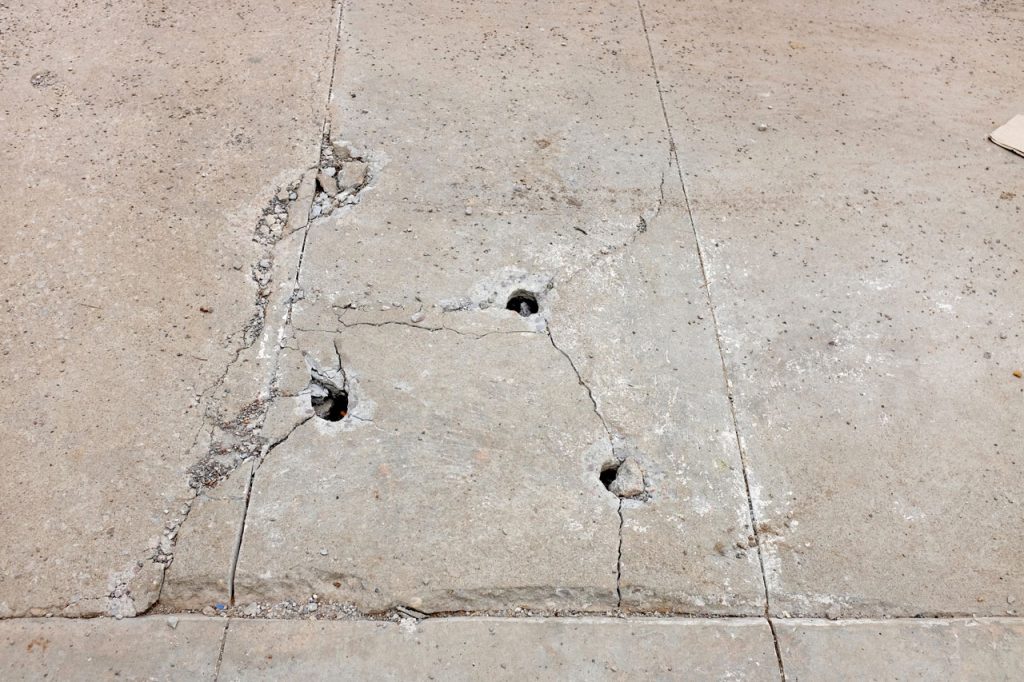
Understanding Common Types of Concrete Floor Damage
Before starting any concrete floor repair, it helps to identify the type of damage. Different problems require different repair methods.
1. Hairline Cracks and Shrinkage Cracks
Hairline cracks often appear due to concrete shrinkage during curing or minor foundation movement. These cracks are usually shallow and do not affect structural integrity. However, if left untreated, they can collect dirt and moisture, which may worsen the problem.
2. Surface Scratches and Abrasion
Polished concrete flooring and sealed concrete floors can develop scratches from heavy foot traffic, furniture movement, or equipment. While these scratches may seem minor, they can dull the finish and reduce the floor’s reflective quality.
3. Chips and Pitting
Concrete chipping commonly occurs along edges, expansion joints, or high-traffic areas. Pitting may result from air pockets in the original pour or surface wear over time.
4. Spalling and Surface Flaking
Spalling happens when the top layer of concrete flakes or peels away. This is often caused by moisture intrusion, freeze-thaw cycles, or improper finishing techniques.
5. Stains and Discoloration
Oil stains, chemical spills, and water damage can affect stained concrete or sealed concrete surfaces. Discoloration may also occur if the protective sealer has worn down unevenly.
Correctly identifying the issue ensures that the repair method matches the damage.
Tools and Materials Needed for Concrete Floor Repair
Repairing finished concrete flooring requires specific tools and materials. Using the right products improves durability and surface consistency.
Common tools include:
- Concrete grinder or angle grinder
- Diamond grinding pads
- Putty knife or trowel
- Vacuum with HEPA filter
- Crack filler applicator
- Polishing machine (for polished concrete)
Common materials include:
- Concrete crack filler or epoxy crack repair product
- Polymer-modified patching compound
- Concrete resurfacer
- Concrete densifier
- Concrete sealer or protective coating
Proper surface preparation is as important as the repair material itself. Skipping cleaning or grinding often leads to bonding failure.
Step-by-Step Process to Repair Damaged Finished Concrete Flooring
The repair process depends on the floor type, but the general steps remain similar.
Step 1: Inspect and Assess the Damage
Start with a detailed inspection of the concrete surface. Measure crack width, check for moisture issues, and determine whether the damage is cosmetic or structural. If cracks are wider than 1/4 inch or show signs of movement, professional evaluation may be required.
For most surface-level issues, standard repair methods work well.
Step 2: Clean and Prepare the Surface
Surface preparation directly affects repair durability.
- Remove dirt, debris, grease, and loose concrete.
- Use a concrete grinder to open up cracks slightly for better filler penetration.
- Vacuum thoroughly to eliminate dust.
- Ensure the surface is dry before applying repair products.
Concrete bonding depends on a clean, textured surface. Smooth or contaminated areas prevent proper adhesion.
Step 3: Repair Cracks
For hairline cracks and small gaps:
- Use a high-quality concrete crack filler or epoxy injection system.
- Apply the filler evenly into the crack.
- Smooth the surface with a putty knife.
- Allow proper curing time as defined in the product instructions.
For larger cracks:
- Use a polymer-modified patching compound.
- Apply in layers if necessary.
- Level the surface carefully to match surrounding finished concrete.
After curing, grind the area lightly to blend it with the rest of the floor.
Step 4: Patch Chips and Surface Damage
Chips and pitting require patching rather than simple crack filling.
- Slightly widen the damaged area to create a stable repair zone.
- Apply a bonding agent if recommended.
- Fill with concrete patch or resurfacing compound.
- Trowel smooth and level.
Once cured, grind and polish to restore the original texture. For polished concrete flooring, diamond polishing pads help match the sheen level.
Step 5: Address Spalling or Widespread Surface Damage
If spalling affects a larger area, resurfacing may be the better option.
Concrete resurfacing involves applying a thin overlay across the damaged section. This restores uniform appearance and improves surface strength.
Steps include:
- Grinding the entire surface
- Applying a bonding primer
- Spreading resurfacer evenly
- Allowing proper curing
- Reapplying densifier and sealer
This method works well for commercial concrete flooring exposed to heavy traffic.
Restoring the Finish: Polishing, Sealing, and Protecting
Repairing the damage is only part of the process. Restoring the finished look ensures consistency.
Polished Concrete Floors
For polished concrete flooring:
- Regrind the repaired area with progressively finer diamond pads.
- Apply a concrete densifier to harden the surface.
- Polish to match the existing gloss level.
Consistency in grit progression is important to avoid visible dull spots.
Stained Concrete Floors
For stained concrete:
- Reapply stain to the repaired area if color mismatch occurs.
- Blend carefully to avoid noticeable patches.
- Seal after staining.
Color matching requires patience and testing.
Sealed Concrete Floors
If the protective sealer has worn away:
- Strip damaged sealer.
- Apply a fresh coat of concrete sealer.
- Ensure even coverage to prevent sheen variation.
A quality sealer protects against moisture, chemicals, and abrasion.
When to Consider Professional Concrete Floor Repair
While small cracks and minor surface damage can be handled by experienced property owners, some situations require professional service:
- Structural cracks
- Uneven slabs or settling
- Moisture vapor issues
- Extensive spalling
- Commercial or industrial flooring with heavy machinery
Professional contractors use industrial grinders, moisture testing equipment, and high-performance epoxy systems to ensure long-lasting results.
For property owners looking for reliable concrete floor repair and refinishing, One Awesome Concrete provides expert solutions tailored to polished concrete, stained concrete, and sealed flooring systems.
Preventing Future Damage to Finished Concrete Flooring
Repairing concrete flooring is manageable, but prevention reduces long-term costs.
1. Regular Cleaning
Dust and grit act like sandpaper on polished concrete floors. Use microfiber dust mops and pH-neutral cleaners. Avoid harsh chemicals that may damage the sealer.
2. Maintain Protective Sealers
Concrete sealers wear down over time. Reapply as needed based on traffic levels. High-traffic commercial areas may require resealing every few years.
3. Control Moisture
Moisture intrusion causes spalling and discoloration. Address leaks promptly and ensure proper drainage around the building.
4. Use Protective Pads and Mats
Furniture pads reduce scratching. Entry mats help limit dirt and debris that can damage the concrete surface.
5. Schedule Periodic Polishing Maintenance
Burnishing and light polishing restore shine without full resurfacing. This extends the lifespan of polished concrete flooring.
Preventive care keeps finished concrete floors looking consistent and professional.
Cost Considerations for Concrete Floor Repair
Repair costs depend on:
- Type of damage
- Floor size
- Repair material used
- Level of finish required
- Labor and equipment
Minor crack repair is typically affordable, while full resurfacing or re-polishing larger areas increases cost. However, repairing early prevents more expensive structural issues later.
Concrete flooring remains a cost-effective option compared to replacing tile, hardwood, or carpet.
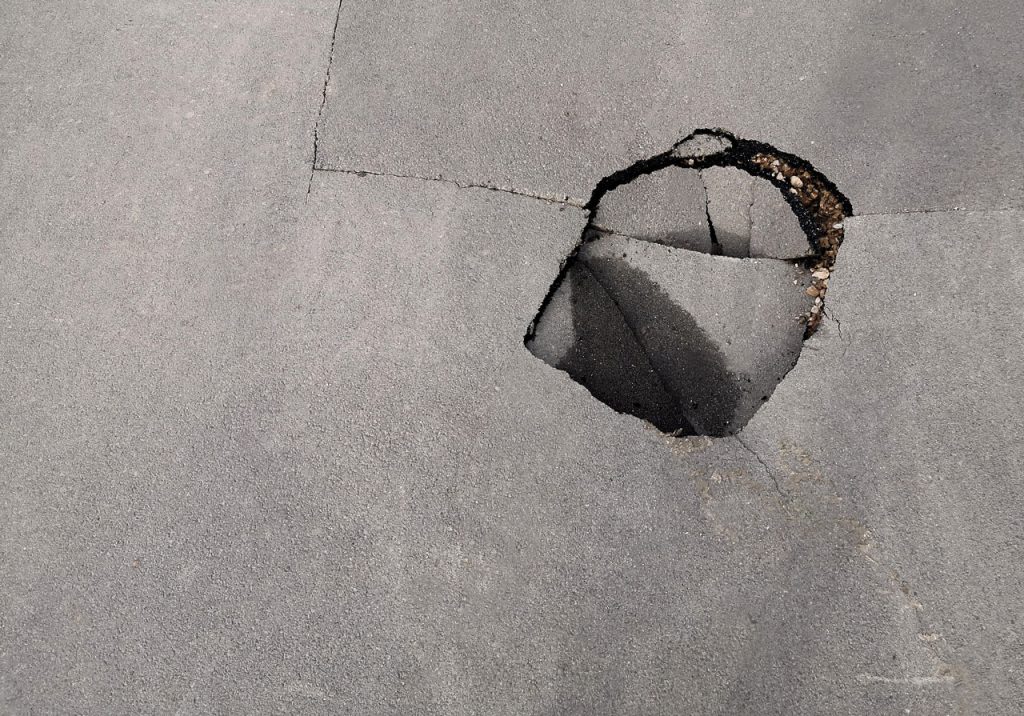
Common Mistakes to Avoid
When repairing damaged finished concrete flooring, avoid these errors:
- Skipping surface preparation
- Using incorrect crack filler
- Ignoring moisture problems
- Applying sealer too soon
- Failing to match polish level
Attention to detail ensures repairs blend seamlessly.
Transform Your Floors with One Awesome Concrete in Houston Near Meadowcreek
When it comes to finished concrete flooring, not all contractors are created equal. At One Awesome Concrete, we combine expertise, high-quality materials, and a commitment to precision that ensures your floors are both beautiful and durable. Whether you’re upgrading a commercial space in Houston or giving your Meadowcreek home a modern touch, we deliver results that last.
Why Choose One Awesome Concrete for Finished Concrete Flooring?
Exceptional Craftsmanship You Can Trust
Finished concrete flooring is more than just a surface, it’s an investment in your property’s style and longevity. Our team specializes in polished concrete, stained finishes, and sealed surfaces. We carefully prepare every floor, address imperfections, and apply finishing techniques that create smooth, glossy, and stunning results.
Customized Solutions for Every Space
No two projects are the same. We work closely with our clients to understand their vision, traffic needs, and style preferences. From sleek modern designs to classic stained finishes, One Awesome Concrete tailors every floor to match your space perfectly, ensuring it complements your home or business.
Durability Meets Beauty
Our finished concrete floors are designed to handle heavy foot traffic, resist stains, and maintain their shine for years. With proper sealing and care, your concrete flooring will remain an elegant centerpiece of your property, saving you time and money on repairs or replacements in the future.
Local Expertise in Houston & Meadowcreek
We know Houston and Meadowcreek floors—literally! Our team understands the local climate, construction standards, and property needs. That knowledge helps us recommend the right finishing techniques and products to protect your floors while keeping them stunning.
Start Your Concrete Flooring Project Today
Choosing One Awesome Concrete means choosing quality, reliability, and a beautiful finished floor that stands out. Don’t settle for ordinary when you can have extraordinary.
📞 Call us today to schedule a consultation or get a free estimate for your Houston or Meadowcreek property!
One Awesome Concrete Serving the Meadowcreek Community and Beyond in Houston
One Awesome Concrete is dedicated to serving the diverse needs of the local community of Houston, including individuals residing in neighborhoods like Meadowcreek. With its convenient location near landmarks such as the Missouri City Church of Christ and major intersections like Bright Meadows Dr. and Waterfall Dr. (coordinates: 29.587361223019474, -95.53782305927905), we offer finished concrete flooring Houston services.
Get Finished Concrete Flooring At Meadowcreek Now
Contact Us
(832) 368-9257
Navigate from Meadowcreek to One Awesome Concrete Now
Final Thoughts
Finished concrete flooring offers durability, low maintenance, and modern design appeal. However, cracks, chips, spalling, and surface wear can occur over time due to traffic, moisture, or aging sealers.
The key steps to easily repair damaged finished concrete flooring include:
- Inspecting and identifying the damage
- Cleaning and preparing the surface
- Applying appropriate crack filler or patching compound
- Grinding and blending the repair
- Restoring polish, stain, or sealer
With proper tools and materials, many surface-level repairs are manageable. For larger or more complex issues, professional services ensure long-term durability and consistent appearance.
Understanding the repair process helps property owners protect their investment and maintain attractive, functional concrete floors for years to come.
FAQs
1. How can I tell if my finished concrete floor damage is cosmetic or structural?
Cosmetic damage includes hairline cracks, surface scratches, minor chips, or discoloration, while structural damage involves larger cracks, uneven slabs, or movement in the foundation. Inspecting the width, depth, and location of the damage helps determine if a simple repair will suffice or if professional evaluation is needed.
2. What materials are best for repairing cracks and chips in finished concrete flooring?
For hairline cracks, high-quality concrete crack fillers or epoxy injection products work well. Larger cracks and chips require polymer-modified patching compounds or concrete resurfacer. Using the correct material ensures the repair bonds properly and maintains a smooth, finished appearance.
3. Can I repair polished or stained concrete floors myself?
Yes, minor surface-level repairs can be done by property owners with proper tools and materials. Small cracks, chips, or dull spots can be filled, patched, and polished. However, for larger cracks, structural damage, or extensive spalling, professional concrete repair ensures durability and a seamless finish.
4. How do I restore the shine and finish after repairing a concrete floor?
After repairing cracks or chips, polished concrete floors should be re-ground using diamond pads, then densified and polished to match the existing gloss. Stained or sealed floors may require blending new stain and reapplying sealer. Proper finishing ensures the repaired areas are consistent with the rest of the floor.
5. What steps can I take to prevent future damage to finished concrete flooring?
Regular cleaning with microfiber mops and pH-neutral cleaners, maintaining protective sealers, controlling moisture, using furniture pads, and scheduling light polishing maintenance all help preserve the floor’s appearance and durability. Preventive care extends the lifespan of finished concrete flooring and reduces the need for major repairs.


RELIABLE, TRUSTWORTHY, and AFFORDABLE PROFESSIONAL SERVICES
or Call us now at
(832) 368 – 9257
Recent Blogs
Can Refinished Cement Flooring Withstand Heavy Foot Traffic
When it comes to choosing flooring that lasts, one common question from property owners, business managers, and homeowners is whether refinished cement flooring can handle heavy foot traffic. With increasing popularity in both commercial and residential settings, cement floors are no longer seen as just utilitarian surfaces, they are stylish, durable, and highly customizable. But…How Contractors Ensure Smooth Polished Cement Finishes
Polished cement flooring is widely used in commercial buildings, retail stores, warehouses, healthcare facilities, restaurants, and modern residential properties. Property owners choose polished cement because it offers durability, low maintenance, high light reflectivity, and long service life. However, achieving a smooth polished cement finish requires more than running a grinder over a concrete slab. It…What Makes Cement Polishing Flooring Durable
Cement polishing flooring has grown in popularity in both residential and commercial spaces due to its sleek look, ease of maintenance, and long-lasting durability. Unlike other flooring options, polished concrete combines aesthetics with strength, making it a practical investment. Understanding what makes cement polishing flooring durable involves exploring its composition, the polishing process, maintenance, and…
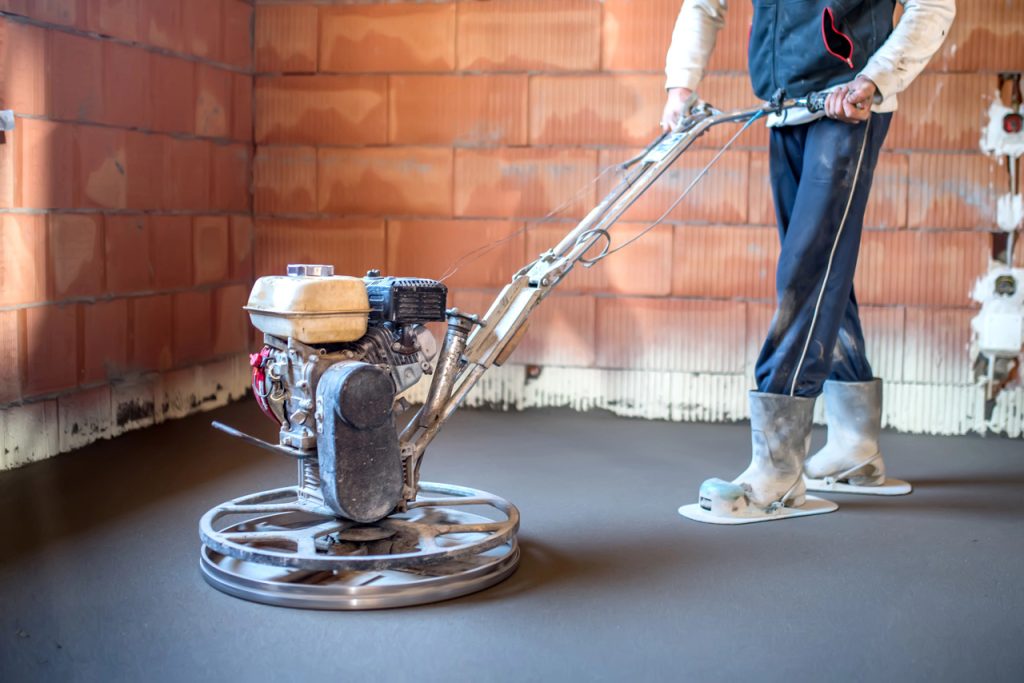
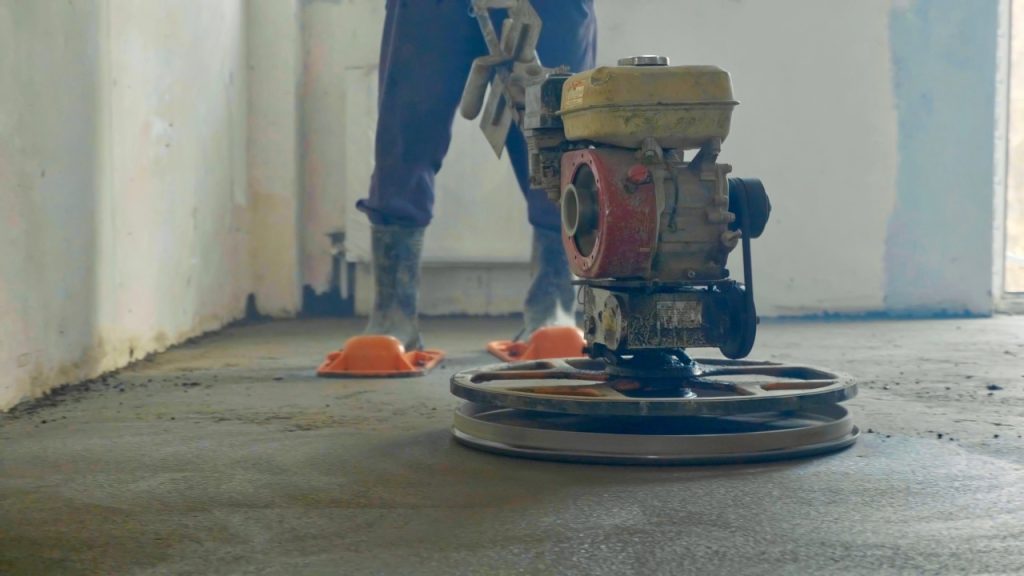



EXPERT CONSULTATION, SWIFT QUOTATIONS
Ready to bring your concrete vision to life? Reach out to One Awesome Concrete Polishing & Staining today for expert consultations and fast, accurate quotations. Our team of professionals is dedicated to providing personalized guidance and precise estimates, ensuring that your project is executed to perfection. Whether you’re looking to enhance your home, renovate a commercial space, or overhaul an industrial facility, we have the experience and tools to handle projects of all sizes. Contact us today, and let’s work together to transform your space with the beauty and durability of cement polishing company Houston. Experience top-tier service and exceptional results with One Awesome Concrete Polishing & Staining.


